

The term “regenerative agriculture” may sound complex, but the idea behind it is simple. It’s a method to bring farmland back into balance.
Instead of treating soil as just something to manage or extract value from, regenerative agriculture treats it as a living system. The goal is not only to grow crops, but to rebuild the underlying soil conditions that make growing nutritious food possible.
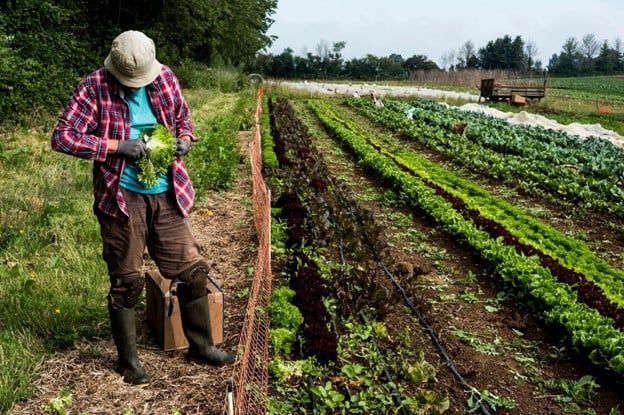
This approach is gaining attention for a reason. Across many parts of the world, farmers are starting to see the limits of modern growing methods that prioritize short-term yields over long-term soil health.
Regenerative agriculture offers a different path—one that focuses on producing abundant food while strengthening the land it comes from.
It also asks a different question. Not just how to grow more food this season, but how to keep land productive, resilient, and alive over a lifetime of seasons.
How regenerative agriculture differs
Conventional farming, especially at large scale, is built around maximizing output. Fields are often planted with a single crop. These methods can produce high yields but gradually lead to soil depletion, causing them to depend on synthetic fertilizers and chemical pesticides to stay productive.
Organic farming and permaculture take a different route. These growing techniques avoid synthetic chemicals and focus on natural fertilizers such as compost, manure, and cover crops like clover or vetch. These can improve soil health, but may not fully address deeper issues like soil structure, microbial life, or long-term resilience.
Regenerative agriculture starts from yet a different premise. Instead of focusing on what needs to be added, it looks at what the land is already capable of doing when the soil is alive and working harmoniously with the surrounding forces of nature.
A field is no longer treated as a surface to manage, but as a working system beneath the surface. Roots, microbes, insects, water, and organic matter each play a role. The goal is to get those relationships working optimally so the soil can sustain itself more fully.
In practice, that changes how farms are run. Cover crops keep living roots in the soil. Reduced tillage helps preserve the soil. Crop rotations break up patterns that weaken the land. Livestock, when used, are moved from field to field in ways that mimic natural grazing.
Each step is designed to support and rebuild soil structure, restore biological activity, and keep nutrients cycling within the system.
As those processes take hold, the need to bring in materials from outside the farm drops. Soil holds water more effectively. Nutrients are retained and reused. Productivity becomes less dependent on added inputs like fertilizers, pesticides, and frequent tilling, and more tied to how well the soil is functioning.
What regenerative farming looks like in practice
On the ground, regenerative agriculture is not one single method. It’s a set of practices that reinforce one another by supporting healthier soil and more balanced ecosystems.
One group of practices focuses on protecting the soil itself. Farmers use cover crops to keep the ground covered between growing seasons. This reduces erosion and helps retain moisture in the soil. No-till or low-till methods limit disturbances in the sub-surface ecosystem, so the soil structure and microbial life remain intact.
Another set of practices increases the variety of crops and soil life. Crop rotation and intercropping reduce the risk of pests and disease while helping maintain nutrient balance.
Agroforestry—interspersing food-yielding trees with crops or livestock—adds another layer of regenerative resilience, as it is a practice that supports both soil health and biodiversity. You might see rows of fruit or nut trees planted among crops, or trees spaced through a pasture, where they offer shade, return organic matter to the soil, and draw nutrients up from deeper layers.
A third set of practices centers on working with the cycles of nature. Composting returns organic matter to the soil, which enriches it without using synthetic fertilizers. Natural pest management practices such as introducing beneficial insects into an agricultural area to keep pests in check is another way farmers work with natural balances instead of relying on chemical pesticides.
That same approach carries over to livestock as well. Managed grazing mimics how herds move across land in the wild. Animals are rotated through pastures in a planned way, grazing one area for a short time before moving on. This gives plants time to recover and encourages deeper root growth. It also helps return nutrients to the soil through the manure that’s dropped there naturally.
Altogether, these practices do more than improve yields. They rebuild the conditions that allow soil to function as a living system that can hold water, cycle nutrients, and support crops as the system heals itself.
Why regenerative agriculture matters: the reality beneath modern farming
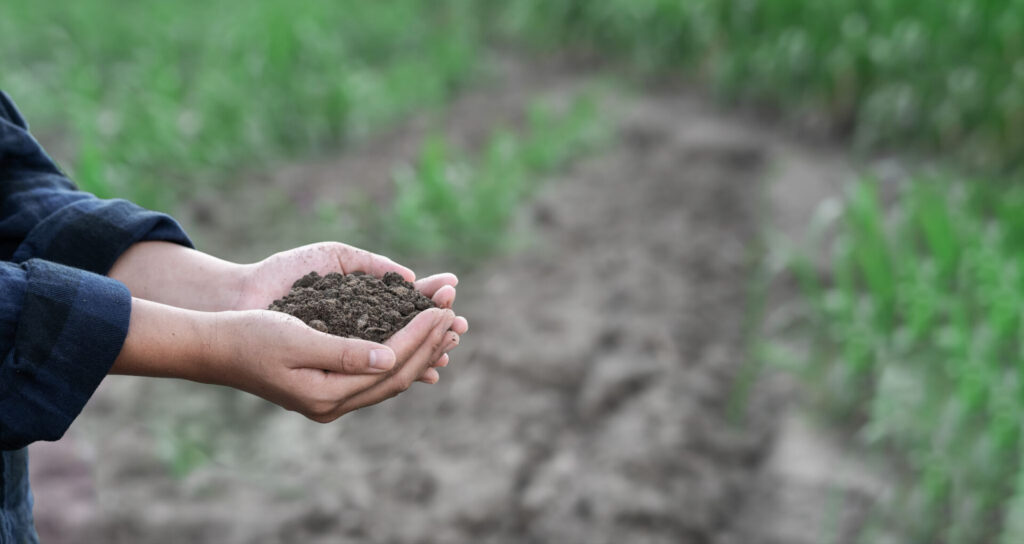
This shift in approach reflects a growing recognition that, in many places, the soil itself is under extreme strain. Across decades of modern agriculture, repeated planting of single crops, frequent tilling, and heavy reliance on synthetic fertilizers and pesticides have changed how soils function. Organic matter declines, soil structure breaks down, and the micro-systems that help cycle nutrients into plants become less active.
At first, these changes are not always visible. Fields can still produce high yields, especially with added fertilizers. But with time, the system starts to break down, and more intervention is required just to maintain the same level of output.
How soil degradation shows up around the world
These patterns play out differently depending on the region, but the direction is similar.
In the United States, parts of the Midwest—once home to some of the deepest, richest soils in the world—have lost nearly half of their original topsoil since farming began in the region.
What remains still produces abundant crops, but often with greater reliance on fertilizers to maintain yields.
Across Europe, long periods of intensive agriculture have left many soils with reduced organic matter and biological diversity. In Mediterranean countries, decades of intensive farming and deforestation have resulted in severe soil erosion and nutrient depletion.
In Northern and Central Europe, issues such as soil sealing, where fertile land is covered by infrastructure, and acidification from excessive nitrogen fertilizers threaten long-term productivity.
In other parts of the world, the effects are more visible.
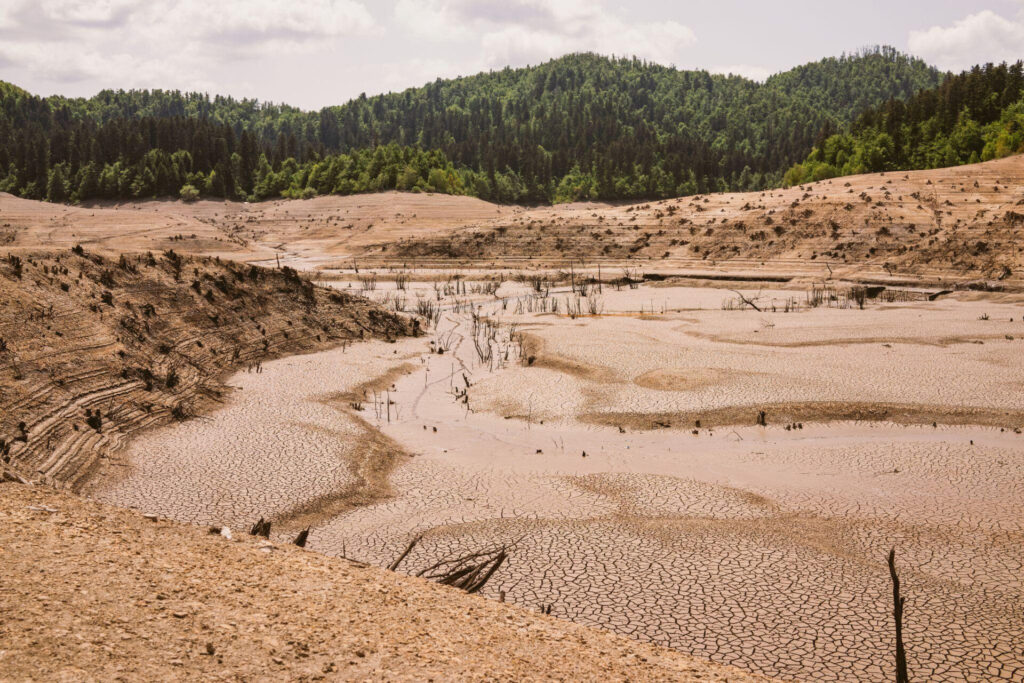
In the Sahel region of Africa, including countries like Burkina Faso and Niger, the removal of vegetation and long-term land pressure have contributed to expanding desert conditions. Land that once supported crops and grazing has, in some areas, become far less productive.
In South Asia, including parts of India and Bangladesh, years of continuous farming without enough soil restoration have led to widespread erosion. It is estimated that roughly 30 percent of India’s land is now degraded to the point where productivity is significantly affected.
In parts of Asia and Latin America, irrigation and fertilizer practices have contributed to salinity and soil imbalances. In countries such as Pakistan and Uzbekistan, salt buildup has reduced the ability of soils to support crops. In parts of Brazil, long-term fertilizer use has contributed to soil acidification that limits what can grow.
These are different expressions of the same underlying shift. When soil is treated primarily as a surface to produce crops, rather than as a system to support, its ability to function declines.
What this means for the food we eat
As soil loses its vitality, the effects begin to show up in the food that comes from it.
Plants can still grow, especially when supported by fertilizers. But they often draw from a narrower range of what the soil can provide. Studies have found that crops grown in degraded soils can contain lower levels of key minerals such as magnesium and zinc compared to those grown in healthier conditions.
The change is not always obvious. Food can look the same and still fill the same role in a meal. But over time, its underlying nutritional value declines.
In healthier soils, a more active network of microbes helps make a wider range of nutrients available to plants. As those systems recover, crops have access to a broader base of support, which can lead to more balanced development.
This is still an area of ongoing research, but the overall picture is becoming clearer. When soil functions well, it creates better conditions for nutritious food to develop.
Water, resilience, and the quality of a field
One of the first changes farmers often notice is how the land handles rain. In degraded soils, rainfall tends to run off the surface. The ground may crust or compact, which makes it harder for water to soak in. During dry periods, moisture disappears quickly, and crops come under stress.
As soil structure improves, organic matter helps the soil act more like a sponge. Water moves down into the ground instead of across it. Roots follow those pathways into deeper ground layers, and moisture stays available for longer periods.
After a heavy rain, fields with healthy soil are less likely to flood or wash away. And they weather dry spells longer before showing signs of stress.
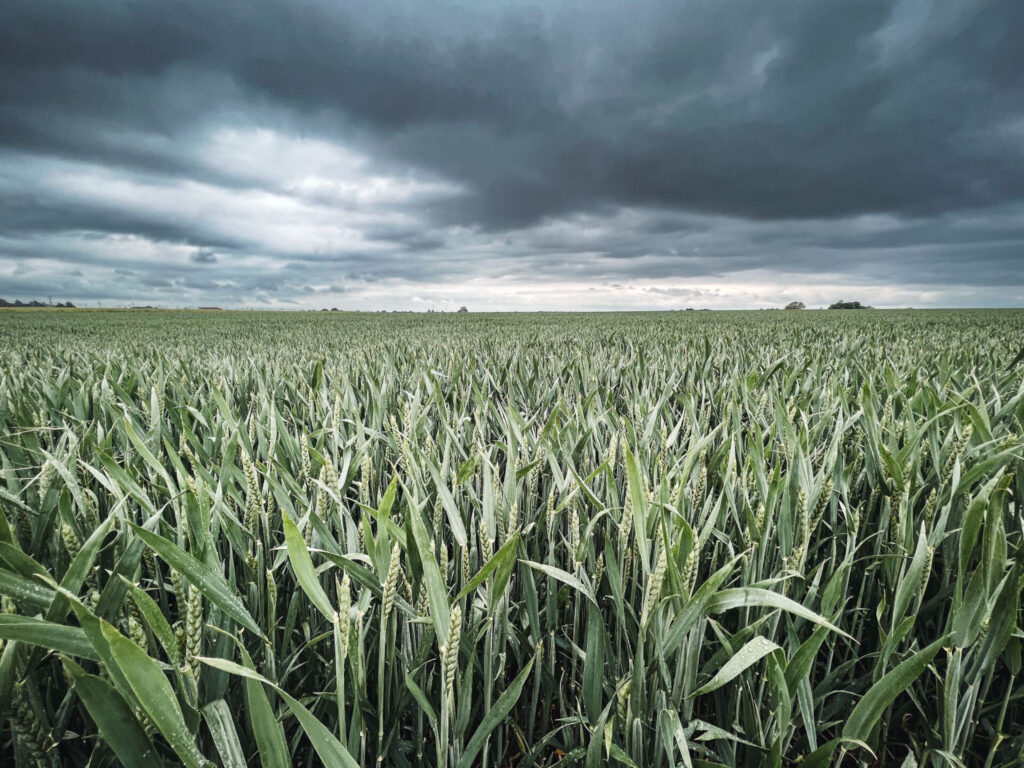
Improvements come from many small changes working together—covering the soil, limiting how much it’s turned, infusing it with organic matter, and keeping living roots in place.
In time, the field responds differently to both extremes. It handles excess water more easily and holds on to moisture when it matters most.
Relying more on what the land can provide
As soil systems strengthen, another change begins to take shape. Farms rely less on what has to be brought in from outside to keep crops growing.
In much of modern farming, fertilizers supply nutrients directly to plants, and pesticides control insects and disease. These tools can be effective, but they often need to be applied repeatedly.
In regenerative systems, the land itself does a lot more of that work because of its vibrant health. Nutrients are cycled through organic matter, roots, and microbial activity. Pests are kept under control by a wider range of plant species and beneficial insects, and soils support plant health, which in turn reduces vulnerability.
A longer view of productivity
Regenerative agriculture also changes how productivity is measured.
In conventional systems, success is often defined by yield in a single season. The goal is to produce as much as possible, as efficiently as possible, year after year.
Regenerative systems take a long-term view. Yields still matter, but they are considered alongside other factors such as soil depth, water retention, resilience to weather variations, and the ability of the land to keep producing season after season.
In the early years of transitioning to regenerative farming practices, yields may fluctuate as the soil rebuilds. But as those systems strengthen, farms often become more stable. The focus shifts toward steady production across many seasons, rather than maximizing output in any single year.
The land is not just producing crops. It is maintaining the conditions that make future seasons’ crops possible.
Where this is headed
Regenerative agriculture is still evolving. There is no single blueprint, and practices vary by region, climate, and crop type.
However, farmers are paying greater attention to how soil behaves over time, how water moves, and how working systems interact beneath the soil surface. They are rediscovering processes that had been pushed aside in farming systems that rely heavily on added fertilizers and chemicals. The result is a different way forward that combines observation, modern tools, and a deeper understanding of how the land works.
Across farms of different sizes and settings, the same lesson is emerging. When the soil is treated as a living system, it begins to respond and revive.
And from that response, a more resilient form of agriculture starts to take shape—one that’s built to last.

Leave a Reply