

In construction, a cleaner process means less mess, less waste, and fewer disruptions. A smarter process means materials that adapt, last longer, and require less hands-on maintenance. Biocement—a new type of concrete that’s grown with the help of bacteria—shows promise on both counts.
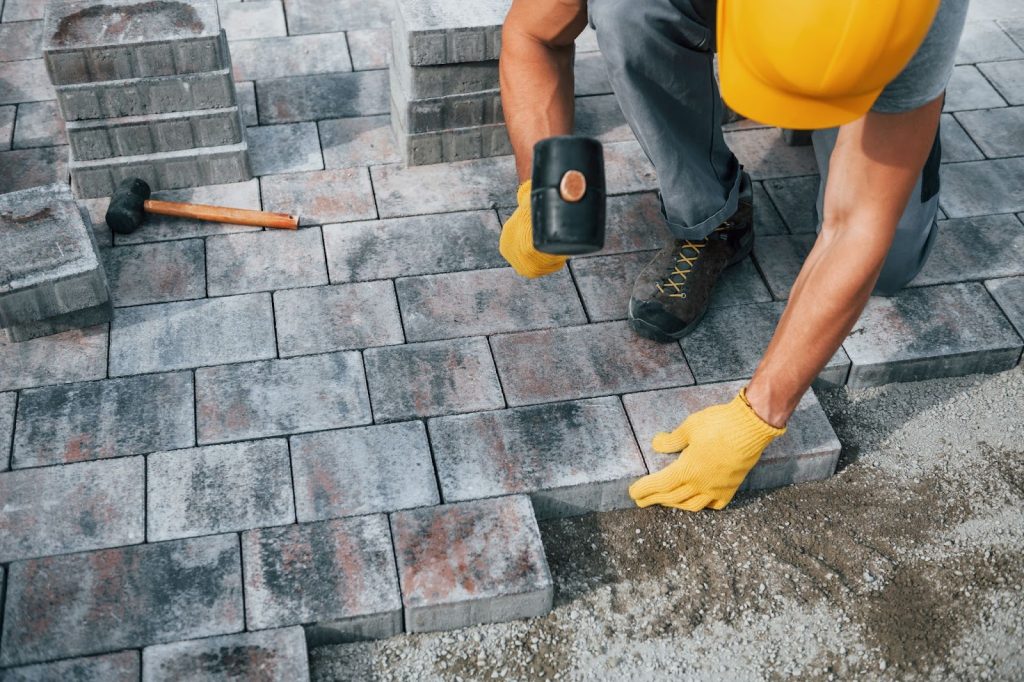
Unlike traditional cement, which must be manufactured in high-heat kilns and then hauled to a job site, biocement can be produced at normal temperatures and, in some cases, grown directly where it’s needed. That flexibility can mean more precise, made-to-fit components and a more manageable production process.
What is biocement and how does it work?
Biocement—the new kid on the block in green building—is the product of a natural reaction called microbial-induced calcite precipitation (MICP). MICP imitates the way seashells or coral reefs form. It produces a durable mineral binder without synthetic resins or high-temperature processing.
This controlled version of a natural process gives engineers the ability to “grow” building components to exact specifications, as well as make in-place repairs to decaying concrete.
The MICP process uses bacteria such as Sporosarcina pasteurii, which produce enzymes that cause dissolved calcium to crystallize as calcite. These calcite crystals fill the gaps between sand or soil grains and bind them into a solid, stone-like mass.
The basic “recipe” involves three main ingredients:
- A calcium source
- A urea solution
- The right microbial culture
When these ingredients are combined, the bacteria break down the urea. This releases carbonate ions that react with the available calcium to form calcite, the binding agent. Because this process happens at room temperature, it avoids the heat-intensive steps of traditional cement production. And it’s versatile: it can be carried out in a mold, on a slab, or directly in the ground.
Some biocement mixes are designed for self-healing repairs. This means the bacteria become dormant in the hardened material but reactivate when moisture seeps into a crack. This then produces new calcite to seal it.
Other mixes are optimized for what is known as low-nuisance casting, where components are “grown” in place or close to the building site. This generates less dust and debris than conventional mixing and pouring.
And because these parts can be formed right where they’re needed, they can reduce truck rolls—the industry term for vehicle trips to deliver materials to a jobsite. This cuts down on transportation costs and also means less product handling from production to installation.
A brief history of concrete’s binders
To understand the importance of the biocement discovery, let’s take a quick look at the history of concrete binders and how they evolved over millennia.
- Egypt, circa 2500 BC: Mortars made from gypsum or lime bound the limestone blocks of the pyramids and temples. This was adequate for monumental masonry, but not highly durable under the eroding effects of moisture seeping into the cracks.
- Rome, 200 BC-400 AD: Roman concrete used lime mixed with volcanic ash (pozzolana), which produced a chemical reaction that resulted in strong, water-resistant concrete. That’s why many Roman harbors, aqueducts, and amphitheaters still stand almost intact today.
- Middle Ages-1700s: Builders across Europe and Asia relied on lime mortar, made by burning limestone to quicklime, slaking it with water, and mixing it with sand. It hardened slowly by absorbing carbon dioxide from the air.
- 1824 – The birth of Portland cement: Invented and patented by Joseph Aspdin in England, this binder was made by heating limestone and clay to create clinker, and then grinding it into powder. Named for its resemblance to Isle of Portland stone, it set quickly, was stronger than lime mortar, and hardened even under water.
- Today: Portland cement remains the dominant binder in concrete worldwide. It’s used in everything from skyscrapers to sidewalks.
Biocement may be the first serious contender in nearly two centuries to change how we make concrete.
Why the construction industry needs a new material
History shows that each new binder has brought improvements, but none has erased concrete’s long-term vulnerabilities.
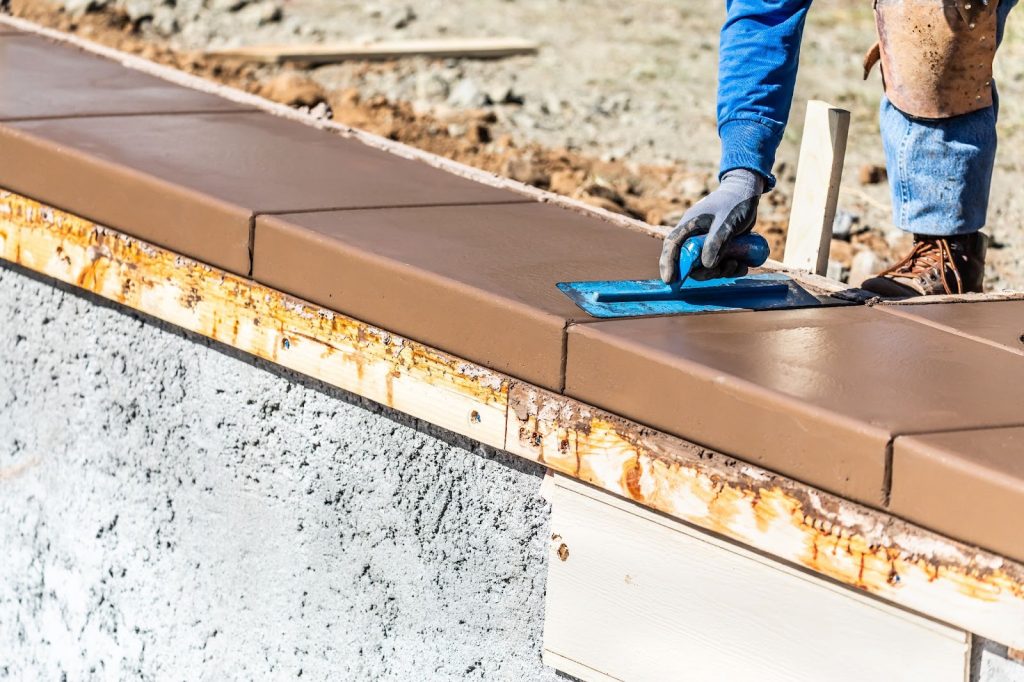
Biocement isn’t a cure-all, yet its current capabilities suggest it could address some of the most persistent problems that builders face today, such as:
- Relentless wear and tear: Bridges, pavements, retaining walls, and building facades all face cycles of stress, temperature changes, and moisture exposure. Over time, even small cracks can grow into major maintenance issues that require costly repairs or replacement.
- Job-site inefficiencies: Traditional cement products are typically made in central plants, transported by truck, and then mixed and poured on location. This can mean multiple deliveries, large staging areas, and heavy dust and noise during preparation.
- Limited design flexibility. Conventional concrete can be shaped with formwork, but complex or custom designs usually require additional labor, cutting, and finishing. Those extra steps increase waste as well as time and cost.
Biocement offers potential answers to each of these issues. Its self-healing capability could keep small cracks from becoming major failures. This could lower maintenance needs over the lifetime of these structures. On-site casting reduces transportation and staging needs while minimizing noise and dust.
Plus, biocement’s ability to “grow” components to exact shapes in molds, or even through 3D printing, opens up new design possibilities without adding complex finishing stages.
In short, biocement could help construction teams deliver projects that are easier to build, simpler to maintain, and more diverse in form and function.
Who’s leading the biocement movement
Biocement research and development is still young, but a growing network of universities, startups, and industry partners is shaping the field. Their efforts range from laboratory-scale testing to early pilot projects in real-world settings.
University pioneers
Some of the earliest breakthroughs came from Delft University of Technology in the Netherlands, where researchers have been studying bacteria-based building materials for more than a decade. Their work helped prove that microbial-induced calcite precipitation (MICP) could be harnessed not only to repair cracks but also to create entirely new structural components.
In the United States, the Massachusetts Institute of Technology (MIT) has been working to fine-tune the core ingredients and conditions needed to produce biocement consistently in the lab. This research is laying the groundwork for broader biocement applications. However, it has a ways to go, as it has not yet been field-tested on job sites.
Startups turning science into products
Several startups are now working to bring biocement to market.
- BioMason: Based in North Carolina, BioMason has developed a process for “growing” masonry units, such as bricks and tiles, at ambient temperatures in controlled environments. These units can be customized for size, color, and texture. The company has already partnered with manufacturers in flooring and architectural products.
- Green Basilisk: A Dutch company founded by Delft researchers, Green Basilisk specializes in self-healing concrete additives. Their bacterial capsules are mixed into conventional concrete or mortar. This allows structures to automatically seal hairline cracks when exposed to moisture.
- Prometheus Materials: This Colorado-based company uses living microalgae, which are tiny, plant-like organisms that grow through photosynthesis, to help create building materials. The algae are mixed with other ingredients that trigger a hardening process similar to how seashells form. The result is a cement-like material that can be molded into blocks and panels, either on-site or in local workshops.
Where biocement is being put to the test
Biocement may not be ready for skyscrapers yet, but it’s already being tested in a variety of practical, real-world situations. From military bases to road crews, early adopters are trying it out in places where its strengths can really shine.
- Military and disaster-relief construction: Defense teams have tested making biocement on-site for fast-build shelters and erosion control in remote locations. The ability to “grow” a building material where it’s needed cuts down on the need to haul in heavy supplies, especially where building sites are long distances from concrete plants.
- Infrastructure repair: Some cities and contractors are trying out self-healing repair mortar made with biocement. It’s being used on sidewalks, retaining walls, and bridge decks with the goal of reducing how often these structures need patching.
- Soil stabilization: Biocement is also being used to strengthen loose or sandy soil in areas that are vulnerable to erosion or ground shifting. This is especially useful in coastal or dry regions, where traditional stabilization methods can be expensive or disruptive.
Right now, most biocement applications are in demonstration or pilot phases, with limited commercial rollout. The technology is furthest along in products that can be manufactured under controlled conditions, such as bricks, tiles, or pavers, instead of larger poured-in-place projects.
Biocement shows real promise, but it still faces hurdles. To start, it takes longer to “grow” than conventional concrete takes to cure. Also, it’s not ideal yet for large, load-bearing structures.
Scaling up production reliably and getting it approved for mainstream use will take time. Even so, the technology is steadily moving forward, and the early-stage projects mentioned above are teaching researchers what it takes to bring biocement into the real world.
What does biocement cost?
Right now, biocement tends to be more expensive than regular concrete. That’s mostly because it’s still in its early days. Small production runs, specialized equipment, and custom setups all add to its price tag. But as with most new technologies, those costs are expected to come down as processes improve and demand grows.
And in places where shipping traditional materials is costly or difficult—like remote areas or disaster zones—biocement’s flexibility could give it a cost edge even now. The question isn’t just “Is it cheaper?” but “Is it smarter to use here?” In the right situations, the answer might already be yes.
What comes next: scaling biocement for commercial use
For biocement to go mainstream, it will need to pass the tests that matter most to engineers, code officials, and builders in the field.
Those hurdles include ways to speed up the curing process, improve the bacterial consistency, and adapt its production methods to what’s needed for prefabricated concrete construction. Both startups and universities are exploring how to automate the process, from mixing to molding, so it can fit more easily into existing building production schedules.
As costs come down and more in-the-field testing is done, biocement may start to show up in places you wouldn’t expect: low-cost housing, field repairs, and even creative architecture. It’s not a question of if it will grow, but how fast and where first.
Will bacteria build the cities of tomorrow?
Probably not, but they might help fill the cracks.

Biocement doesn’t need to be a wholesale replacement for concrete to be valuable. If it can take pressure off the most wasteful or maintenance-heavy parts of the construction process, that would be a win. And if it invites us to consider living materials as part of our building environment, that would be a quiet revolution in itself.
Sometimes progress doesn’t have to be tearing things down and starting over. Sometimes, it looks like helping what’s already there to hold together better and longer.

Leave a Reply