

America is, at its core, a nation of immigrants. From those who crossed oceans in search of liberty to those brought here in chains, the United States was forged by people of every background, ethnicity, and circumstance.

These immigrant roots sometimes seem forgotten or considered less important, now that this once-young nation is filled to the brim with close to 350 million people.
US immigration policy can swing wildly in the political winds. Witness the shift from the Biden administration’s more permissive approach to border enforcement to the Trump administration’s stricter enforcement of immigration law.
Yet, it’s undeniable that the US needs immigrants. Without them, the very future of the nation is at risk.
Why the US needs immigration
Like many developed nations, the United States is entering a period of profound demographic changes. Birth rates are falling, the population is aging, and millions of workers are nearing retirement.
By 2035, older adults will outnumber children for the first time in US history. At the same time, labor shortages are beginning to emerge in healthcare, skilled trades, logistics, caregiving, and certain technology sectors.
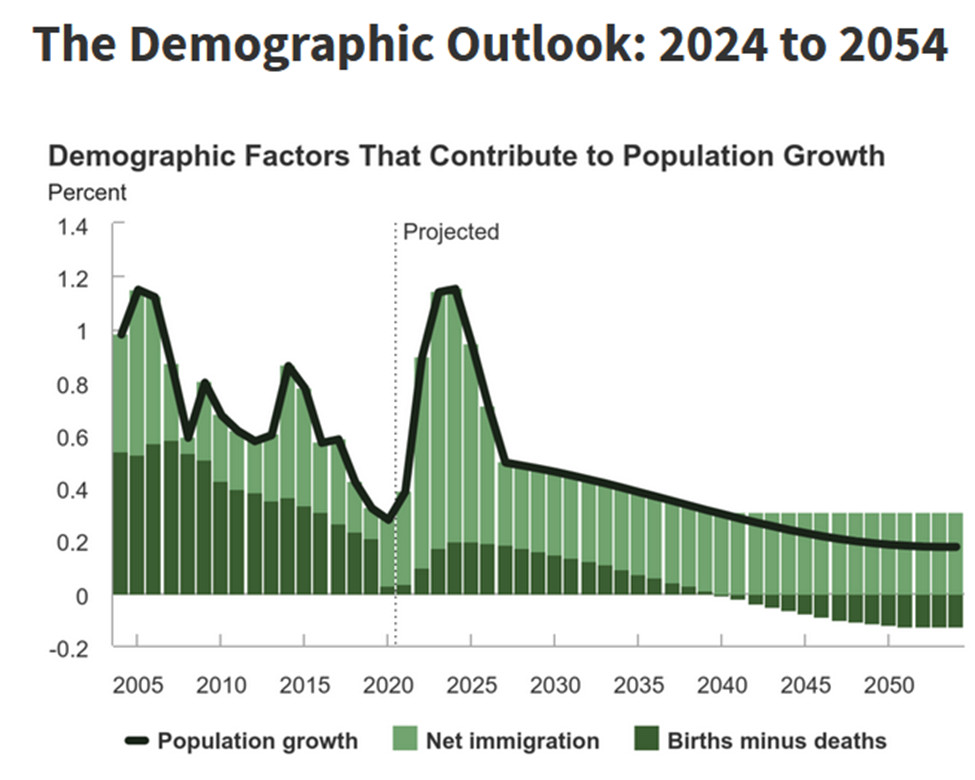
Thoughtfully structured immigration can help re-balance these trends. By welcoming younger immigrants with in-demand skills, the nation can reinforce its tax base, support its aging population, and fill vital roles in industries that keep the economy running.
Whether it’s a welder in Wisconsin, a nurse in Nebraska, or a construction worker in Montana, targeted immigration offers a generational opportunity: to strengthen America’s workforce and renew its promise for decades to come.
Recalibrating the US immigration system
The problems of today’s immigration situation are undeniable. However, so is the opportunity it presents: to rebuild a system worthy of the highest ideals of the United States of America. One that honors the rule of law, welcomes those who follow it, and rewards immigrants who settle here, sometimes at great cost to themselves and their families, to contribute to the grand experiment known as America.
So, what needs changing? The goal is not just to fix a broken system, but to elevate it—to craft a lawful, humane, dignified path forward worthy of the nation that once welcomed “the tired, the poor, the huddled masses yearning to breathe free.”
What would such an improved path to American citizenship look like? Let’s take a look.
Principles for a lawful and visionary immigration system
To arrive at an equitable and fair immigration system, we must begin with principles. Not just policies or politics, but core convictions rooted in the American promise that liberty is safeguarded by law, that opportunity is earned through effort, and that national unity depends on shared values.
No nation, no matter how generous, can remain strong or sovereign without secure borders. The cornerstone of any lasting reform must be the rule of law. That means restoring order at our borders, prosecuting illegal entry, and affirming that lawful residency in the US, and ultimately lawful citizenship, is not a right but a privilege.
Lawful immigration is not a rejection of compassion. Rather, it protects human dignity. It makes sure that vulnerable migrants are not exploited by cartels or coyotes, and makes space for genuine aspirants to earn their place in American society.
Without that foundation of lawfulness, we have a system that’s no longer anchored in principle but determined by who is most willing to bend or break the rules. As has become clear in the past decades, illegal immigration erodes public trust and drains resources from law-abiding citizens.
Immigration that unites, uplifts, and serves the common good
America has always welcomed those who wish to build a better life here, but that welcome must be extended with discernment. We must make sure that our immigration policies align with our core national needs: economic strength, demographic renewal, and civic cohesion.
This is not about excluding. Rather, it’s about inviting people the right way. A system that prioritizes integrity, contribution, and lawful entry reinforces the American idea that we rise together when everyone is playing by the same rules.
That includes reinforcing our cultural expectations: fluency in English, respect for the Constitution, and commitment to American civic life. Multiculturalism must never become an excuse for fragmenting the very values that unite Americans.
A merit-based system, not a chaos-based system
By any objective measure, America’s current immigration laws do not favor those who are most prepared to contribute to the nation, regardless of their country of origin.
For example, most green cards today are issued for family reunification categories, which give priority to relatives of US citizens and permanent residents, regardless of age, education, or skill. Someone with an advanced degree or a desirable skill set but no family in the US may have far fewer options than an extended relative with little formal education.
In the same vein, refugees who are able to physically reach the US border can request asylum, even as equally persecuted individuals in distant countries remain stuck in overcrowded refugee camps or never get considered at all. Others spend decades in legal limbo under temporary statuses, where sheer persistence, not qualifications, becomes their only path to eventual legal residency.
It’s time to reverse that logic. We must seriously consider a merit-based immigration model, such as those used successfully by Canada and Australia. Those two nations evaluate immigration applicants by using point systems that consider key factors such as age, education, language proficiency, work experience, and job offers in high-demand sectors.
In Canada, for example, applicants under the Express Entry system are ranked based on a Comprehensive Ranking System score, which helps ensure that those selected are most likely to thrive and contribute to the economy. Australia’s General Skilled Migration program works the same way: it prioritizes individuals with the skills most needed in the country’s labor market.
This type of model doesn’t favor race or nationality. It simply asks: who is best prepared to contribute?
What a merit-based model could look like in America
A fair, forward-looking immigration system must reflect the full scope of America’s needs. A tailored merit-based approach should value a wide range of skills and contributions essential to a healthy economy and a vibrant society.
The US needs more than just high-tech engineers and medical professionals. America needs caregivers, construction workers, retail staff, truck drivers, and tradespeople. The nation also needs stable families, including those in which one parent works in a trade or business while the other raises the children.
A well-designed merit-based system can encompass all of these needs while also sending the message that every honest skill has dignity and value.
Immigration as a two-way commitment
By welcoming those prepared to contribute through work, learning, and civic engagement, we affirm that immigration is a mutual commitment, not a one-sided transaction. It also increases the likelihood that legal immigrants have a real path to independence and long-term success.

This is not just good domestic policy. It’s a reaffirmation of the American ideal that opportunity comes with responsibility and that reward follows contribution. However, solutions to the US immigration dilemma rest on details that have eluded both Congress and the executive branch of the US federal government for decades.
We’ll dig further into these important details. But first, we need to understand current US immigration law so we are clear on the immigration reform start line and the baked-in hurdles that need to be overcome.
Legal immigration to the US: pathways and process
For those who want to immigrate to the United States legally, the path is complex, often lengthy, and dependent on a range of eligibility categories. The process falls broadly into several major pathways: family-based immigration, employment-based immigration, humanitarian relief, the diversity visa lottery, and special categories created by statute or executive action.
Each has its own procedures, priorities and limitations. This bureaucratic labyrinth has spawned its own cottage industry of legal firms and attorneys that specialize in US immigration law. Let’s take a look at each separate lawful pathway into the US, as well as the shortcomings of each.
Family-based immigration: reuniting loved ones
The majority of US legal immigrants come through family-based sponsorship. US citizens may petition for spouses, children, siblings, and parents to join them. Lawful permanent residents (green card holders) may also sponsor spouses and unmarried children.
Immediate relatives of US citizens—spouses, unmarried children under 21, and parents—face no annual cap: there is no limit on the number of green cards issued each year in this category.
However, all other family-based immigration categories are subject to annual caps. This means there is a fixed number of visas available each year. As a result, applicants in these preference categories, such as siblings of US citizens or adult children, often face long waiting lists. These can last decades depending on their country of origin and the nature of the family relationship.
In addition to the annual caps, the system imposes per-country limits, which disproportionately affect applicants from nations with high demand, such as Mexico, India, the Philippines, and China. This can result in particularly long delays for families from these countries, even if they’ve otherwise met every legal requirement.
Moreover, the current law does not provide a clear or timely path for extended or blended family members, such as grandparents, grandchildren, or stepchildren over a certain age. Nor are there provisions for long-term partners or fiancés in non-traditional relationships unless specific visa requirements are met.
Another major limit is the lack of flexibility for life changes that occur during the waiting period. For example, a child who “ages out” by turning 21 before her green card is issued may lose eligibility under the original petition. Similarly, if the sponsoring family member dies during the process, the application may be terminated unless rare humanitarian exceptions apply.
Finally, processing times are inconsistent and subject to bureaucratic backlogs, which can delay family reunification.
In short, while the family-based immigration system reflects a long-standing American value of keeping families together, its rigid quotas, outdated categories, and complex procedural hurdles often make that ideal difficult to achieve in practice.
Employment-based immigration: skills and labor needs
H-1B for specialty occupations or H-2A/B for seasonal workers are also common, but they do not lead automatically to permanent residence.

To upgrade an employee from a temporary work visa to a green card, an employer typically must sponsor the individual and complete a labor certification process, and also prove that no qualified American citizen is available for the job. This process can be lengthy and expensive.
In addition, annual green card quotas apply, both by employment category and by country of origin. These quotas often result in extensive backlogs. This is especially true for applicants from high-demand countries such as India and China. Some workers in these categories may wait a decade or more for permanent residency, even while contributing to the US economy for years under temporary status.
This system presents several challenges. First, the fixed per-country limits disproportionately affect nationals from populous countries, which creates inequities in access and wait times. Second, the lack of automatic pathways from temporary to permanent status creates uncertainty for both workers and employers. Third, some employers are discouraged by the bureaucratic complexity and cost of sponsorship. This is particularly true for small businesses.
As a result, the work visa system struggles to meet America’s evolving economic needs, retain global talent, or respond quickly to labor shortages.
Refugees, asylum, and humanitarian protection
Refugees must meet the US legal definition of persecution and apply from abroad. Persecution typically includes threats based on race, religion, nationality, political opinion, or membership in a particular social group.
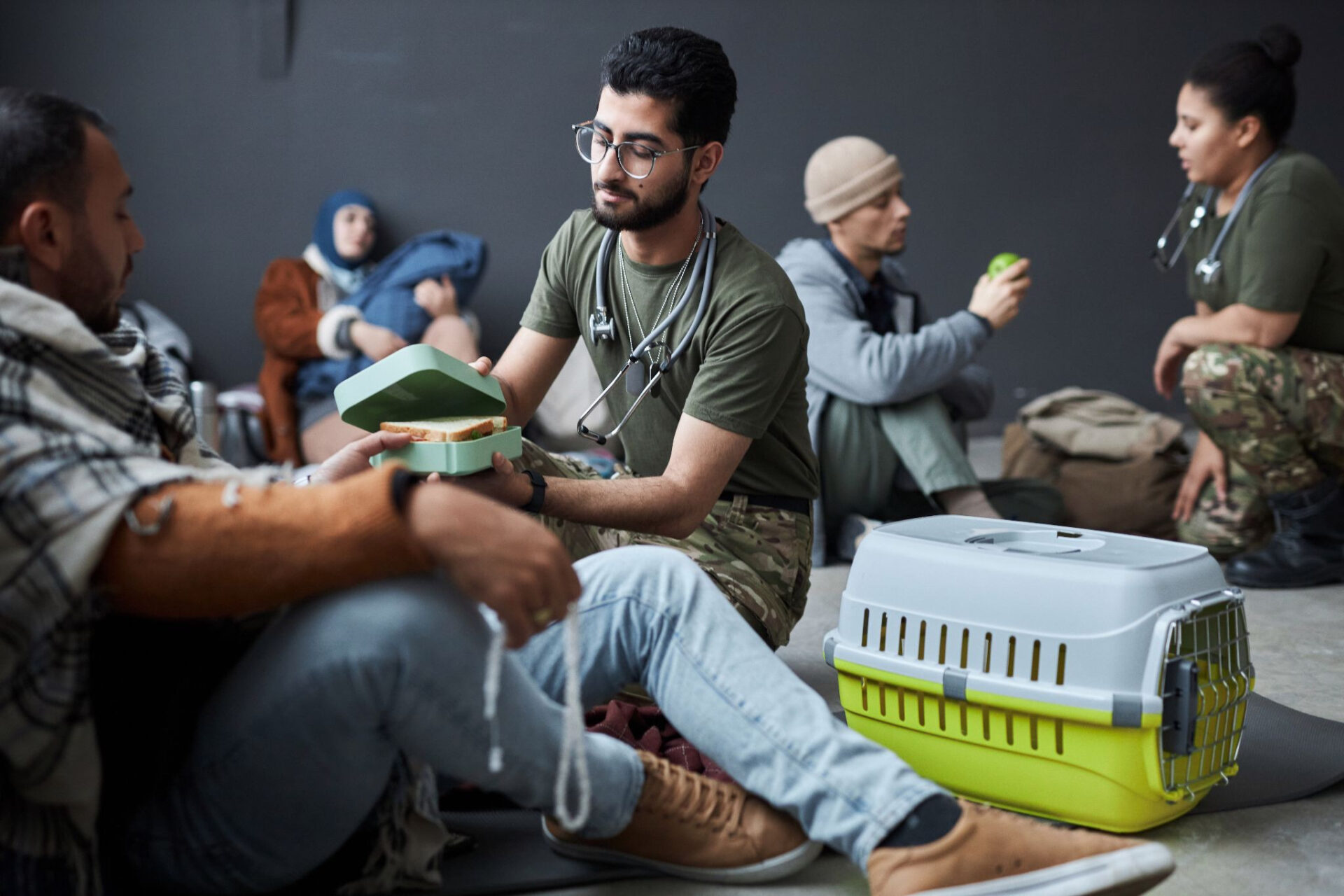
Asylum seekers, by contrast, apply from within the US or at a port of entry, such as a land border or airport.
Both refugees and asylum seekers must demonstrate a credible threat of persecution and undergo extensive background checks and vetting. However, due to a growing backlog of cases in recent years, this process can now sometimes take five or more years.
Refugee admissions are capped annually. Asylum is not subject to numerical limits, but it is governed by strict legal criteria.
In practice, however, enforcement of those criteria has varied widely between administrations. Under the Biden administration, asylum standards were interpreted loosely, to put it mildly. By this one action, hundreds of thousands were allowed to enter the US after claiming asylum at the southern border.
Critics argue that this shift has blurred the line between legitimate humanitarian protection and economic migration. This mixed messaging created “false hope” because “people hear others are getting in,” which in turn prompts others to try crossing the border, according to Andrew Selee, president of the Migration Policy Institute.
This dynamic has led some to bypass the traditional legal immigration system and effectively “jump the line.” As a result, the asylum system is overwhelmed, immigration courts are severely backlogged, and wait times have increased dramatically.
Special protections for crime and trafficking victims
Beyond asylum and refugee programs, the US offers additional humanitarian protections. The U visa is available to victims of serious crimes, such as assault, sexual abuse, or extortion. To qualify, applicants must be willing to help law enforcement investigate or prosecute the crime.
The T visa is specifically designed for victims of human trafficking. It offers a path to legal residency and safety for those forced into labor or sex trafficking. Like the U visa, it generally requires cooperation with authorities.
These programs serve an important role in protecting the vulnerable. But inconsistent enforcement, surging demand, and shifting political priorities have made the system unpredictable.
The diversity lottery
The Diversity Visa (DV) lottery issues up to 55,000 green cards annually to individuals from countries with low rates of immigration to the US. The program was designed to promote global diversity in immigration flows and to offer opportunities to those from underrepresented regions. Applicants must meet basic education or work experience requirements and pass background and security checks.
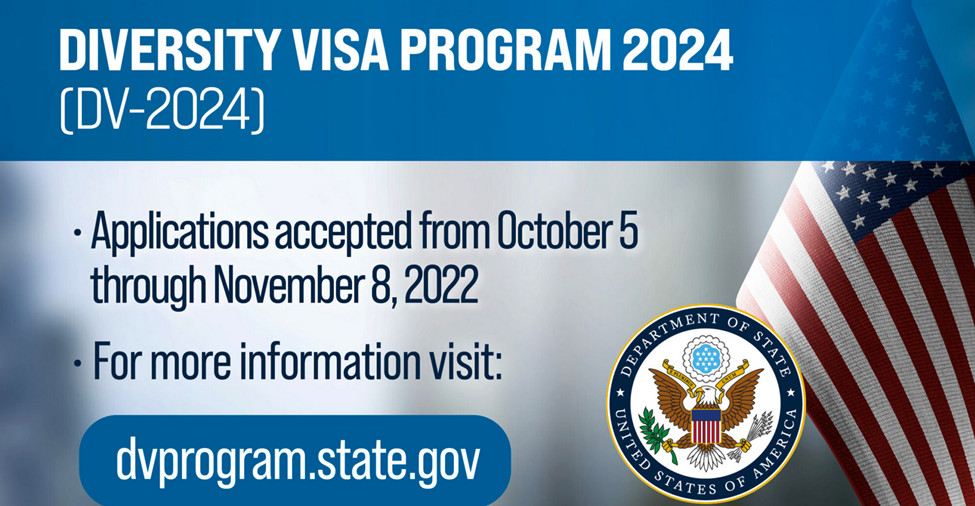
However, the DV lottery is a random process with no consideration for skills, types of job offers, or economic contribution. Critics argue that this makes it poorly aligned with US labor needs.
It also opens the door to fraud and abuse, particularly in countries with weak governance, where unofficial brokers or scams take advantage of uninformed applicants. Lottery winners must also navigate a tight timeline to complete the application and interview process. Many are ultimately disqualified for technical errors or failure to meet documentation standards.
As of the writing of this article, the Trump administration has placed an indefinite hold on processing and issuing new lottery visas. This decision is subject to ongoing legal challenges.
Special visas
In addition to the DV program, several special visa categories offer relief or legal status to specific populations. These include certain Afghan and Iraqi nationals who supported US military efforts, Cuban entrants under unique provisions of US law, and individuals granted Temporary Protected Status (TPS) due to armed conflict, natural disasters, or other crises in their home countries.
While these pathways provide crucial humanitarian or diplomatic relief, they are also limited in scope and often subject to political shifts. TPS, for example, grants temporary protection without offering a direct path to permanent residency. The net effect is that many individuals are left in limbo for years. Efforts in Congress to transition TPS holders to more stable legal status have stalled repeatedly.
Together, these pathways fill important but narrow niches. Yet they also highlight the disjointed nature of the broader immigration system: fragmented, reactive, and often disconnected from long-term national priorities.
Country limits and system challenges
Every country is subject to an annual cap of 7% of total immigrant visas. This is regardless of population size. In practice, this means that applicants from high-demand countries often face years or decades of delay. While the legal framework offers multiple entry points, the system is complex, backlogged, and in need of modernization to meet 21st-century realities.
Rebuilding a fair and modern immigration system
So, how does the US rebuild the patchwork quilt of its immigration system?

America’s immigration system wasn’t built in a day, and it won’t be rebuilt overnight. But real, workable solutions are within reach. What follows is a comprehensive set of reform ideas, many already discussed in Congress or policy circles. The goal is to modernize US immigration law in ways that are more merit-based, fair across the board, and responsive to our national needs.
Merit-based and skills-focused proposals
Here’s the gist of merit-oriented ideas:
- Adopt a points-based system, similar to Canada or Australia, that evaluates applicants based on age, education, job skills, English fluency, and work experience. For example, a 30-year-old bilingual engineer with a master’s degree and five years of experience would score higher than a 55-year-old applicant without language skills or a job offer.
- Prioritize applicants with job offers in high-demand industries, such as healthcare, construction, and caregiving. A rural hospital struggling to find nurses could directly sponsor qualified foreign applicants through an expedited visa channel.
- Create a “National Interest Skills List” that is updated annually to reflect economic and demographic needs. If there’s a shortage of truck drivers, for instance, applicants with commercial driving experience and safety records could temporarily rise to the top of the priority list.
- Create an “Entrepreneur Visa” for immigrants who launch US-based businesses and employ American workers. For example, a tech founder who launches a startup in Ohio and hires five local employees would qualify for a fast-track residency path.
- Expand work-based green cards and remove arbitrary numerical caps for employment categories that face labor shortages, such as the agriculture industry, which routinely faces unfilled seasonal jobs.
- Allow self-petition for highly skilled professionals that could in certain cases bypass the employer sponsorship. For example, an award-winning software architect with patents to his name could apply independently, without waiting for a company to file on his behalf.
National quotas overhaul
The issue of national quotas could be reformed as follows:
- Keep country-based caps as flexible guidelines, but let top-scoring applicants rise to the front of the line regardless of origin. This would effectively replace current rigid per-country immigrant limits with a global merit-based pool.
- Score applicants based on education, work experience, language skills, and industry demand. Each country could still have a “suggested” quota to ensure broad diversity—but high-scoring individuals, no matter their origin, would move forward first. This would reward excellence while still supporting global inclusion.
- Create a dynamic quota system that adjusts annually based on labor market trends, population growth, and economic indicators. If the US economy surges and unemployment drops, the system could temporarily allow more work-based green cards to meet demand.
Fair and reasonable family-based reforms
Family immigration would benefit from changes such as these:
- Limit family-based sponsorship to the nuclear family only: spouses and minor children, possibly eliminating or scaling back sibling and adult-child sponsorships. A US citizen could still sponsor and bring a spouse and young children, but not a 45-year-old sibling who has no economic connection to the US.
- Phase out or cap chain migration, which allows newly naturalized citizens to sponsor extended relatives without regard to workforce needs. A system that previously allowed one immigrant to eventually sponsor six or more family members could be restructured to limit sponsorship to one or two dependents.
- Introduce a merit threshold for applicants beyond the nuclear family, such as basic English proficiency or job-readiness. An adult child of a US citizen might need to show a high school diploma and some English proficiency to qualify for an immigrant visa.
Pathway-to-citizenship reforms
Here are some creative approaches to streamline the path to citizenship:
- Shorten the naturalization timeline for legal permanent residents who contribute in high-need fields, such as rural doctors, teachers, or tradespeople. For example, a diesel mechanic working in an underserved region of the Midwest could apply for citizenship after three years instead of five.
- Encourage civic integration, including participation in community service, English language acquisition, and civics education. Green card holders who volunteer regularly and pass a civics course could be fast-tracked for naturalization.
Humanitarian and diversity visas
Two key ideas for balancing immigration in this area are:
- Redesign asylum and refugee programs by focusing more on credible threats and faster decision-making, while building in stronger protections and enforcement against fraud. As an example, a religious minority fleeing persecution in a foreign country could receive prompt protection, while false claims from certain groups face expedited rejection.
- Reform the Diversity Visa lottery into a merit-based “Global Talent Visa” for people from underrepresented nations who meet skill or education thresholds. Instead of random selection, the lottery could favor applicants with a bachelor’s degree and basic English fluency from countries with low US immigration levels.
A new ethic of citizenship and belonging
At its heart, immigration reform is about more than policies and quotas—it’s about what it means to be an American. Unlike many nations, the US has never defined citizenship by race or ethnic lineage, but by shared ideals and a willingness to contribute to a common purpose. It’s time to revive that spirit.
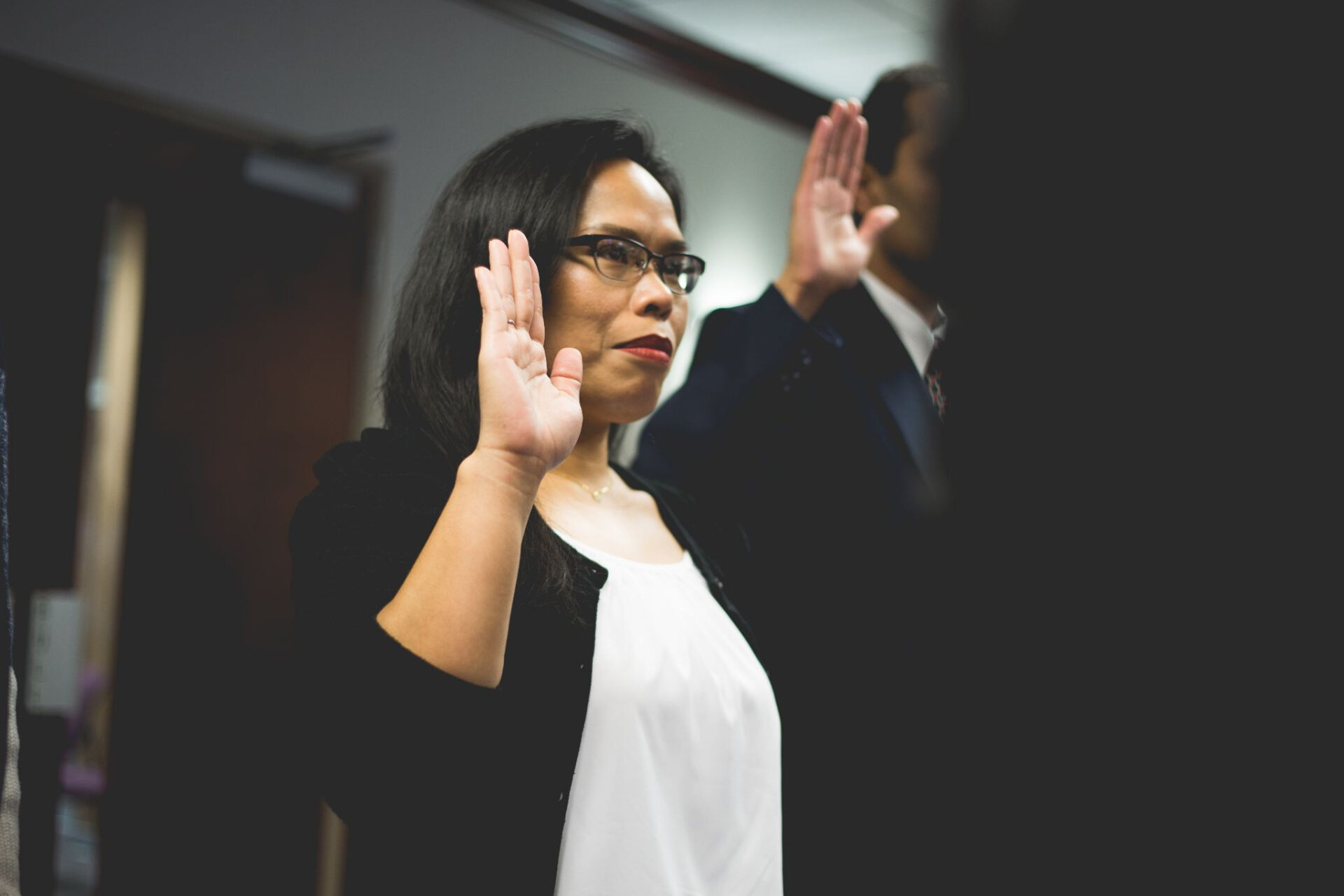
We must once again elevate citizenship as a noble goal. Becoming a US citizen should be seen as the culmination of the American dream and as a profound commitment to one’s adopted homeland.
Communities should celebrate new citizens, schools should teach the meaning of naturalization, and immigrants should be encouraged and supported in taking this important step.
Empowering new citizens to embrace responsible roles in society
With citizenship comes responsibility. This includes voting, civic participation, jury service, and, if needed, the defense of the nation. These are duties that bind native-born and naturalized Americans together. When new citizens are welcomed and empowered to lead, they bring fresh energy and gratitude to American civic life.
We already see this in immigrant parents advocating for schools, doctors serving rural areas, and soldiers earning honors on the battlefield. Let’s encourage more of it through service programs, community leadership initiatives, and a national message that says: we need you.
Lawful immigrants who have earned their place can also be powerful advocates for the rule of law. Their example helps counter cynicism and reminds us that legal immigration still works when it is fair, functional, and accessible.

Restoring trust through truth and fairness
But renewal also requires honesty. For too long, immigration enforcement has been clouded by politics, secrecy, and mistrust. Americans deserve transparency: clear reporting on border crossings, visa approvals, and enforcement actions. Officials must be accountable, not evasive. If policies aren’t working, they should be fixed, not hidden.
We must enforce the law firmly but fairly. That means consequences for violations but also treating everyone with dignity. A principled system can unite Americans across the political spectrum and balance security with compassion.
The ultimate goal of US immigration reform
In the end, reform is not just about fixing dysfunction. It’s about building a system that reflects our highest ideals, which should be focused on raising up new citizens who strengthen the nation. As the US Citizenship and Immigration Services puts it: “Citizenship is the common thread that connects all Americans.”
The path forward won’t be easy, but it is clear. By securing our borders, expanding legal pathways, streamlining processes, and insisting on civic integration, we can restore both integrity and hope. The American dream can shine again—not as a slogan, but as a living reality for those willing to earn it.
Now is the time to act. With compassion and common sense we can turn the page and write a new chapter in America’s immigration story—one defined by law, opportunity, and national renewal.
One response to “US Immigration: Rebuilding a System Worthy of America”
-
Gratitude to the author!
An outstanding, incredibly thorough treatment of a crucial matter affecting all Americans and, albeit somewhat indirectly, the people of all nations.


Leave a Reply