

A young soldier is rushed into surgery after a massive roadside bomb explodes beneath his armored Humvee. He survives but his injuries are devastating. Severe burns cover much of his body. Shattered bones and torn muscles leave one leg barely functional. Damaged nerves have robbed him of feeling in his hand.
Not long ago, this young man’s future might have included years of painful surgeries, permanent disability, and the daunting task of adapting to a dramatically altered life.
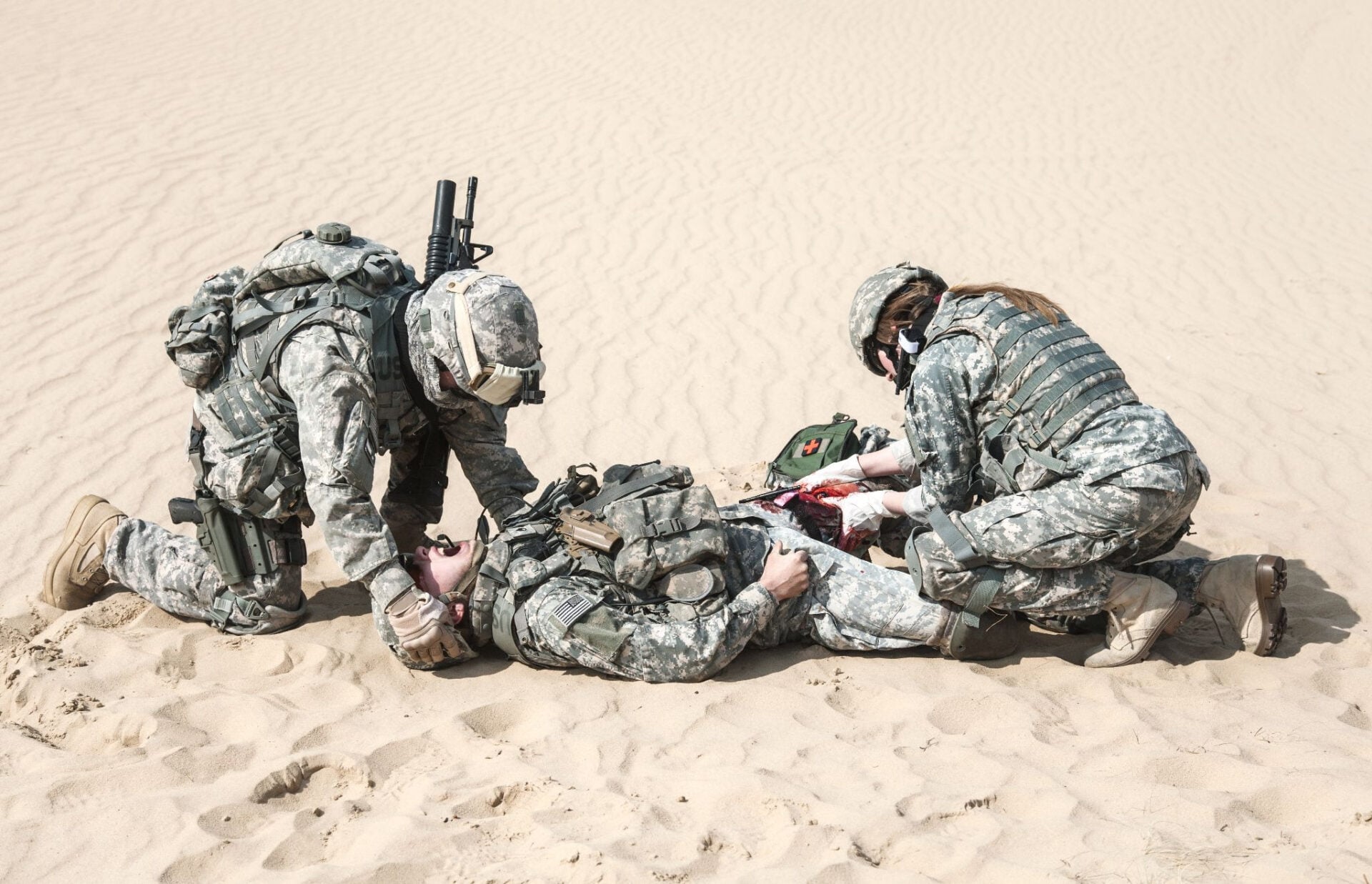
Today, his doctors have options that once existed only in the realm of medical wishful thinking. Rather than simply repairing damaged tissues, many of these options help the body rebuild itself.
These advances, such as bioengineered skin, are part of a broader movement known as regenerative medicine, a field that specializes in harnessing the body’s natural ability to repair and regenerate damaged cells, tissues, and organs.
Three forces that changed military medicine
Three developments transformed regenerative medicine from a promising field of research into one of the fastest-moving frontiers in modern healthcare:
- A new generation of battlefield injuries. During the wars in Iraq and Afghanistan, advances in body armor, battlefield care, and rapid medical evacuation saved the lives of thousands of service members who might not have survived in earlier conflicts. However, many of these wounded soldiers returned home with devastating blast injuries, severe burns, damaged nerves, and extensive tissue loss. The challenge shifted from saving their lives to restoring them to full functioning.
- Medical science reached a tipping point. Researchers had spent decades exploring tissue engineering, biomaterial, bioelectronics, and other emerging fields. By the early 2000s, many of those discoveries were beginning to move from the laboratory into clinical testing.
- The US military made regenerative medicine a national priority. Through the Defense Advanced Research Projects Agency (DARPA), the Department of Defense, the Armed Forces Institute of Regenerative Medicine, and leading university research centers, billions of dollars were invested in developing treatments that could help wounded service members recover more fully. The result was an unprecedented wave of innovation whose benefits are now extending far beyond the battlefield.
Regenerative medicine breakthroughs that are changing lives
The military’s investment in regenerative medicine has produced a wide range of new therapies. Some are already being used in hospitals. Others are still advancing through clinical trials. Together, they are changing how doctors treat some of the most devastating injuries imaginable.
Bioengineered skin
Severe burns are among the most difficult injuries to treat. Traditional skin grafts often require surgeons to remove healthy skin from another part of the patient’s body. This procedure creates a second wound that must also heal. Moreover, large burns may leave doctors with too little healthy skin to work with.
Bioengineered skin offers a different approach. Created from living cells and specially designed biomaterials, these skin substitutes act like a living bandage that protects damaged tissue while encouraging the body to grow healthy new skin. Some versions also reduce infection, speed healing, and minimize scarring.
Some bioengineered skin products resemble thin, flexible sheets that surgeons carefully place over a burn, much like applying a biological dressing. Others consist of gel-like or layered materials that conform to the wound and provide a protective environment where new skin cells can grow and blood vessels can begin to regenerate.
Many of these technologies were developed or refined to treat wounded service members with catastrophic burns. Today, they are also helping civilian burn victims, including children with severe skin injuries and patients recovering from traumatic accidents.
Regenerative scaffolds
Imagine construction workers repairing a severely damaged building in danger of collapse. Before they can rebuild the walls, they first erect scaffolding to support the new construction. Regenerative scaffolds serve a similar purpose inside the body.
Typically made from biodegradable natural or synthetic materials, these scaffolds resemble tiny three-dimensional sponges or meshes perforated with thousands of microscopic pores. Those pores provide a temporary framework where the body’s own cells can attach, multiply, and gradually rebuild damaged muscle, bone, cartilage, and other tissues. As healing progresses, blood vessels grow into the new tissue and the scaffold slowly dissolves, leaving behind healthy regenerated tissue.
Once considered experimental, regenerative scaffolds are becoming an increasingly important tool for repairing complex injuries that once had few effective treatment options.
Nerve regeneration
For decades, severe nerve damage was often considered permanent. If nerves were completely severed or badly damaged, surgeons could sometimes reconnect them, but recovery was slow and often incomplete. Many patients never regained full functioning in the damaged body parts.
Today, nerve regeneration breakthroughs are opening up new possibilities. Tiny nerve guidance conduits, which are small, flexible tubes made from biodegradable materials, can bridge gaps between damaged nerves, much like a sleeve joining two broken ends of an electrical cable. These conduits protect the injured nerve while guiding newly growing nerve fibers toward their destination.
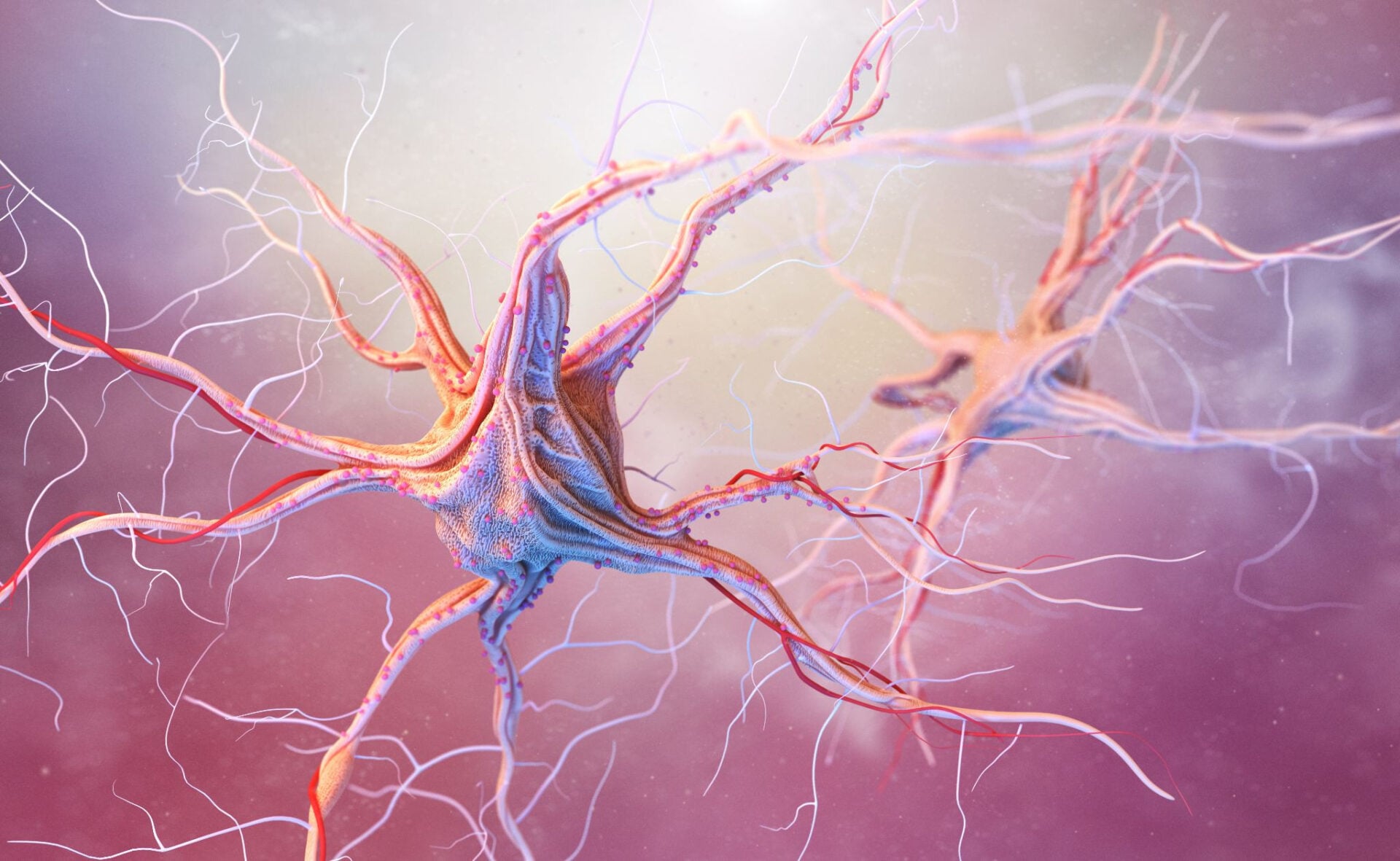
Researchers are also developing growth factors, engineered biomaterials, and electrical stimulation techniques to improve nerve healing.
- Growth factors are naturally occurring proteins that act like chemical messengers that signal nerve cells to grow and repair themselves.
- Engineered biomaterials provide a protective environment where fragile new nerve fibers can survive and extend themselves toward their targets.
- Carefully controlled electrical stimulation delivers tiny pulses that encourage nerve growth and help maintain healthy muscles while damaged nerves recover.
Taken together, these approaches are helping scientists restore connections that were once thought to be permanently lost.
Although many of these therapies are still being refined, nerve regeneration has become one of the most promising frontiers in regenerative medicine. For wounded service members recovering from blast injuries, as well as others living with traumatic injuries or undergoing reconstructive surgery, the prospect of restoring movement and sensation is no longer a distant hope. It is becoming an increasingly realistic goal.
Advanced prosthetics and bioelectronics
Despite remarkable advances in regenerative medicine, some battlefield injuries remain too severe to save an arm or leg. In those cases, the goal for the severely wounded person shifts to restoring as much function and independence as possible.
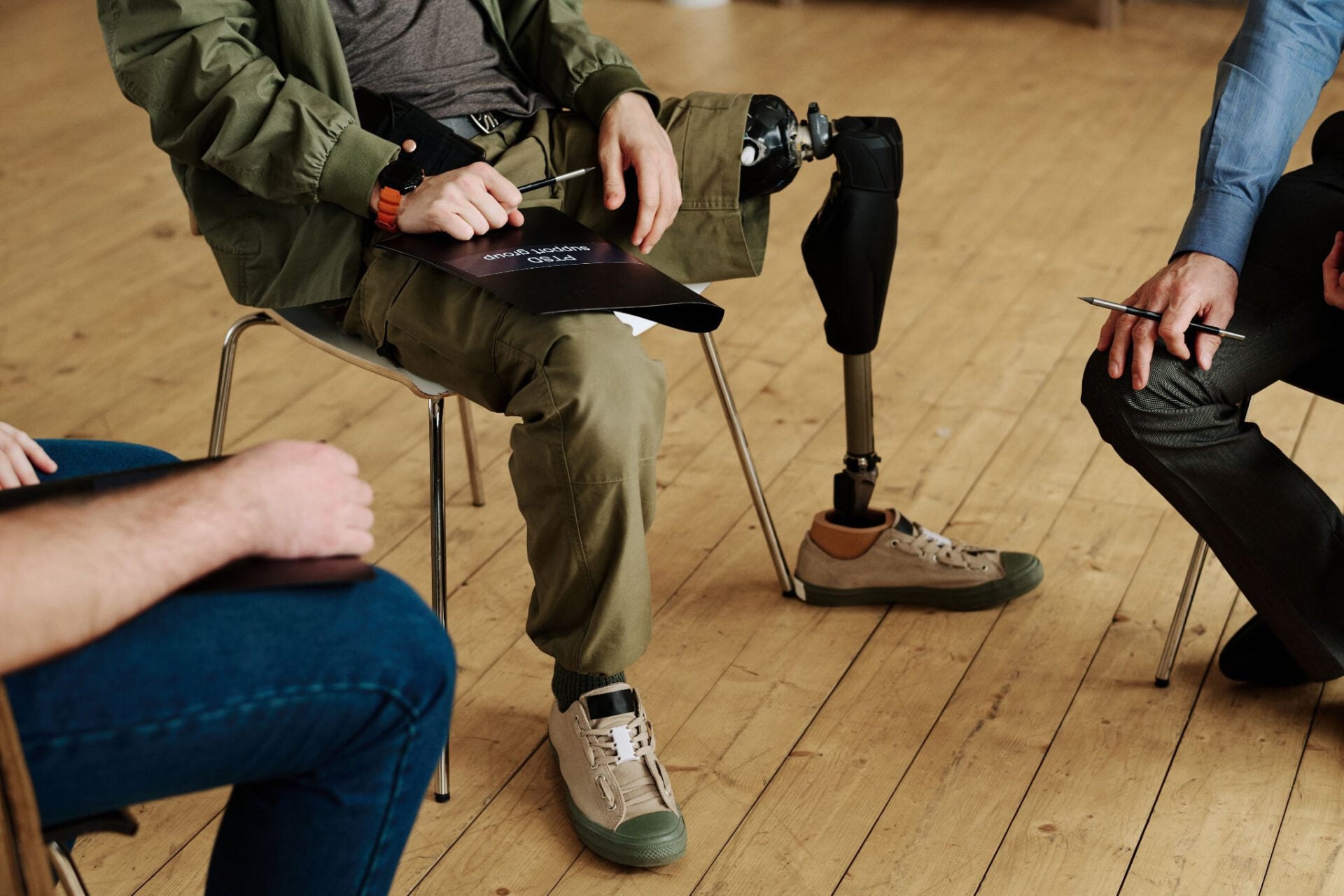
Today’s most advanced prosthetic limbs bear little resemblance to the artificial limbs of previous generations. Built from lightweight materials and equipped with sophisticated sensors, many can respond to electrical signals produced when a user contracts the remaining muscles in the residual limb. Instead of displaying awkward mechanical movements, the prosthesis can actually respond to the wearer’s intentions.
Researchers are taking this technology even further through the rapidly expanding field of bioelectronic medicine. Instead of relying solely on mechanical devices, bioelectronic medicine creates direct communication between the body’s nervous system and advanced electronic technologies.
Tiny implanted electrodes can connect with muscles or nerves. These connections allow some users to control prosthetic hands with remarkable precision by using the body’s own electrical signals. Researchers have also developed experimental systems that send signals back to the brain. As a result, some users can perceive pressure, distinguish textures, or sense the position of an artificial limb.
Many of these technologies are still moving through clinical trials, but they have already begun to transform lives. Each new breakthrough brings prosthetic limbs one step closer to feeling and responding like natural arms and legs.
Today, these innovations are helping military veterans and civilians alike regain the ability to walk, grasp objects, climb stairs, drive a car, and perform everyday tasks that restore their independence and improve their quality of life.
Beyond the battlefield
As is often the case with military research, the breakthroughs highlighted above—and similar ones being researched and refined—are beginning to reach far beyond use on the battlefield. Burn victims, accident survivors, stroke patients, people recovering from cancer surgery, and countless others are already benefiting from treatments originally developed to help wounded service members.
Perhaps the greatest lesson from these important pursuits in regenerative medicine is that when physicians, scientists, engineers, and military researchers unite around one urgent human problem, they can drastically transform what modern medicine can accomplish. The breakthroughs that began with helping wounded soldiers recover more fully are now improving the lives of untold numbers of people around the world.
One response to “Regenerative Medicine: From the Battlefield to a Hospital near You”
-
Thank You!
What a great, inspiring article! Full of so much hope!
Very grateful,
Juanita


Leave a Reply