

A man steps out of his home in a coastal town in Ostrobothnia, a region in western Finland. The air is chilly and the light is soft, as is common in these Nordic lands.
He walks to the local market, a small place he’s been going to for years, just because that’s how errands are done. Along the way, he stops to talk with a neighbor. Later in the day, he’ll spend time outdoors, maybe split wood, or take a walk through the trees. In the evening, he’ll sit in a sauna with family or friends, a ritual that is routine.
Nothing about the day is unusual, and that may be the point. It’s simply how life is lived here.
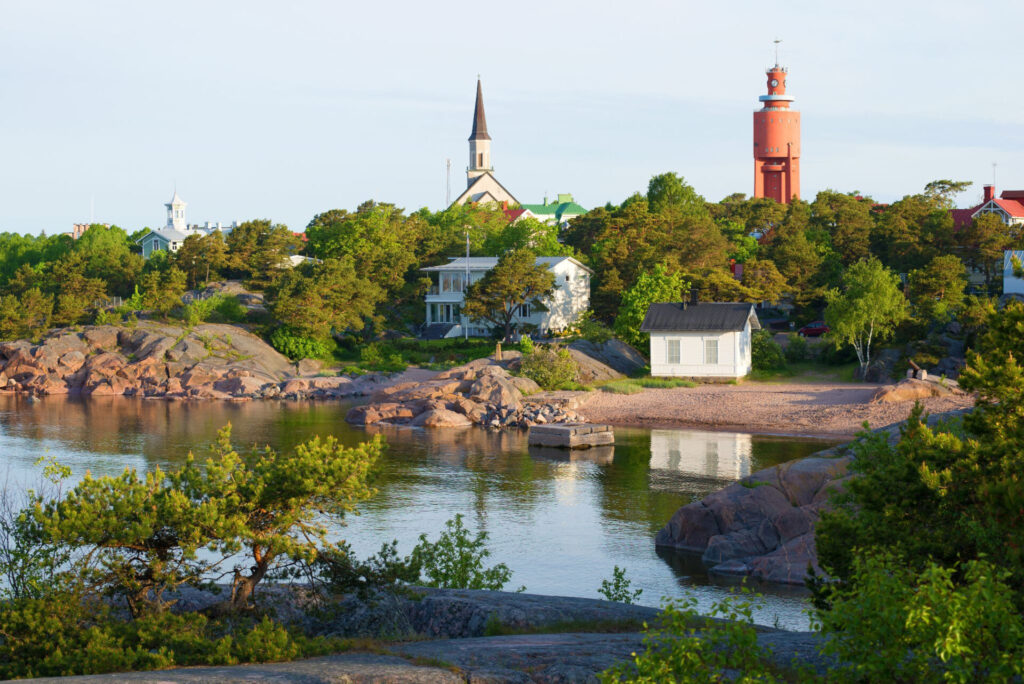
Finland’s overall life expectancy for 2025 was 82.78, which is among the highest in Europe. Especially across parts of Finland and in pockets of Sweden, people are living longer, healthier lives than average.
The idea of Blue Zones, popularized by Dan Buettner, offers one way to explain why certain populations reach older ages. But in Northern Europe, a similar pattern of longevity appears to be taking shape without following any formula.
Instead of one or more defining habits, what stands out is how everyday life unfolds for the people who live here. Movement, social connection, time outdoors, and public systems that support health are not separate choices. They are built into the fabric of daily living.
Are these the cornerstones of longevity? Or at least a big part of the picture?
A subtle pattern of longevity in Northern Europe
Across Northern Europe, a distinct picture is starting to come into focus. In western Finland, and particularly in Ostrobothnia, a region with a large Swedish-speaking population, lower rates of chronic illness and strong overall health stand out, along with excellent life expectancy statistics.
Similar trends appear in parts of Sweden, where certain regions report higher-than-average numbers of older residents and strong overall health across age groups.
These areas are not officially recognized as Blue Zones, and are not presented as such. But the similarities are hard to ignore. People are living longer in these regions, and in many cases are staying healthier as they age.
Zoom out, and a broader picture of Nordic living comes into view. Countries like Finland and Sweden consistently rank among the highest in life expectancy and population health. The reasons are not pinned to a single habit or lifestyle rule. Instead, they appear to emerge from how daily life is structured and lived.
What shows up again and again across these regions
Higher life expectancy is part of the story, but not the whole of it. Across these Scandinavian populations, people tend to stay healthier across their entire lives, not just in the last years of life.
At the same time, these regions do not always follow the patterns commonly associated with longevity. Diets vary. Routines differ. The positive outcomes may be similar, but the paths are not identical.
Longevity that doesn’t follow a single formula
It’s tempting to look for a formula that aligns with these results—a set of habits that, if followed closely enough, will lead to a longer, healthier life. The appeal of such a formula is obvious. If longevity can be reduced to a checklist, it becomes something you can replicate.
But it turns out that the evidence in these regions is not that simple.
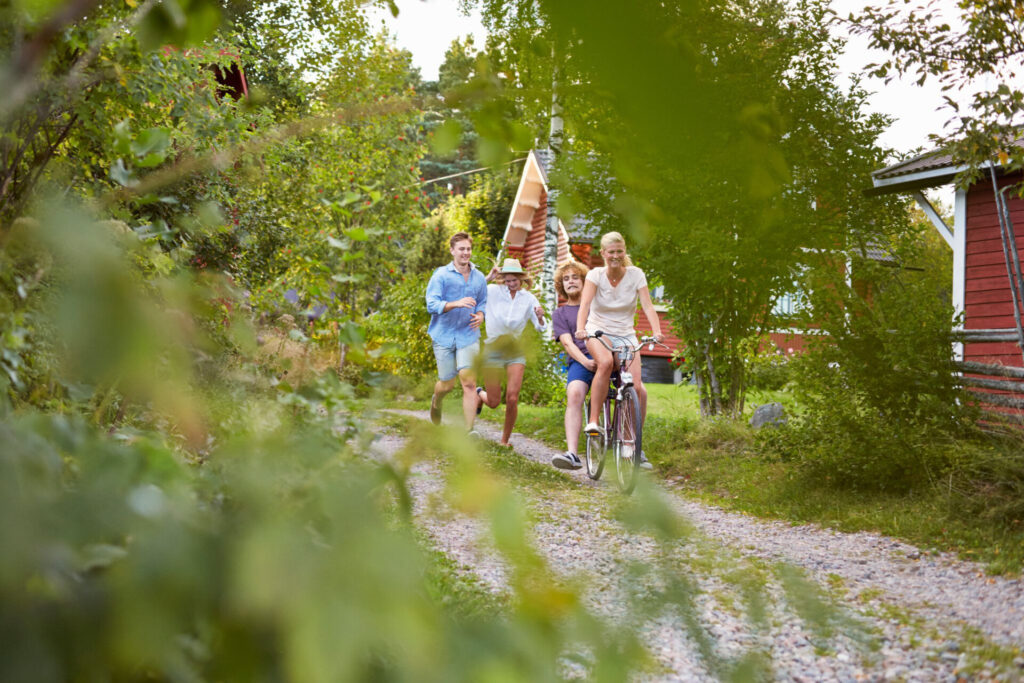
In some locales, people follow many of the behaviors often linked to longevity, such as balanced diets, regular activity, and strong social ties. And yet they are not the longest-living populations. In others, where those same habits are less consistent, life expectancy is just as high, or higher.
The picture doesn’t break down neatly. And that’s the point.
Why simple explanations don’t hold up
Diet plays a role, but it doesn’t fully explain these outcomes. The same is true for exercise. Genetics helps shape the baseline, but it doesn’t account for the variation across regions that share similar backgrounds.
What begins to emerge instead is a different kind of explanation—one in which connected systems and ways of living play a fundamental role. How people move through their days. The structure of their communities. The environments they live in. The support built into their public systems.
Taken together, these elements point to something that keeps showing up in the data. It’s a pattern that is easier to discern when we stop looking for a formula.
Where movement is simply part of the day
In many parts of Finland and Sweden, movement doesn’t sit off to the side as a separate activity. Rather, it’s built into how the day unfolds. Walking is the default choice for short trips. Errands, visits, and time outdoors all require physical movement.
The environments people live in plays a big role. Towns are compact. Services are within reach. In general, sidewalks, paths, and public spaces make it easy to move from place to place. The result is a steady rhythm of daily movement that adds up over time.
Much of this activity happens almost automatically. A walk to the store, often the same route taken for years. A short commute on foot. Time spent outside, whether working, visiting, or simply passing through the day. It’s not intense, and it’s not optimized. But it’s consistent.
That consistency may matter more than occasional bursts of effort. Instead of starting and stopping, movement becomes a lifelong pattern. Over years and decades, that kind of steady activity shapes a healthy lifestyle in ways that are easy to overlook, precisely because they are so ordinary.
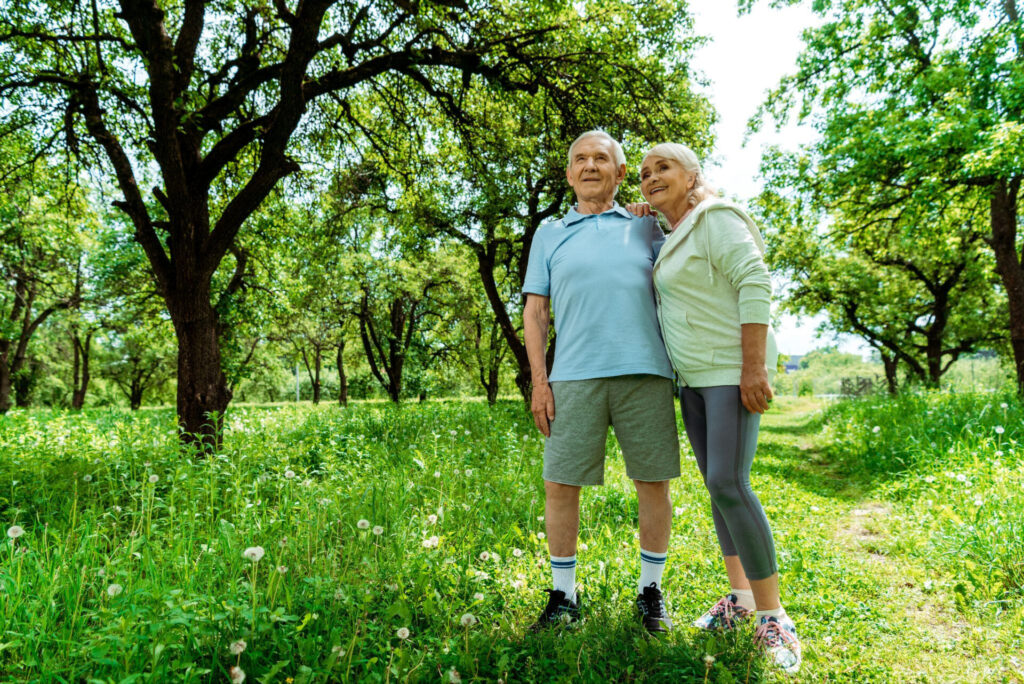
Alongside daily movement, social connection runs through everyday life in these regions. People tend to stay in closer contact with neighbors, family, and friends. Trust is relatively high, whether it’s in neighbors, local institutions, or a simple knowing that people can be relied on in everyday situations.
Generations mix naturally. Older folks remain visibly engaged in daily routines. Conversations at local shops, shared activities, and regular check-ins create a steady level of connection between the old and the young that doesn’t require special effort.
How social connection quietly supports longevity
These relationships create a kind of emotional stability that carries through life. There are shared rhythms including meals, routines, and seasonal activities that reinforce a sense of belonging.
There also are informal layers of support. People notice when something is off. Maybe someone hasn’t been seen for a few days, or a routine has changed. Moreover, in situations of need, help arrives early and often without being requested. Over time, that kind of timely, informal support reduces isolation and strengthens community health in ways that may be difficult to measure but easy to recognize when present.
In these types of community settings, social connection is not something residents need to seek out. Instead, it is something that just exists, almost by default.
Where time in nature is part of everyday life
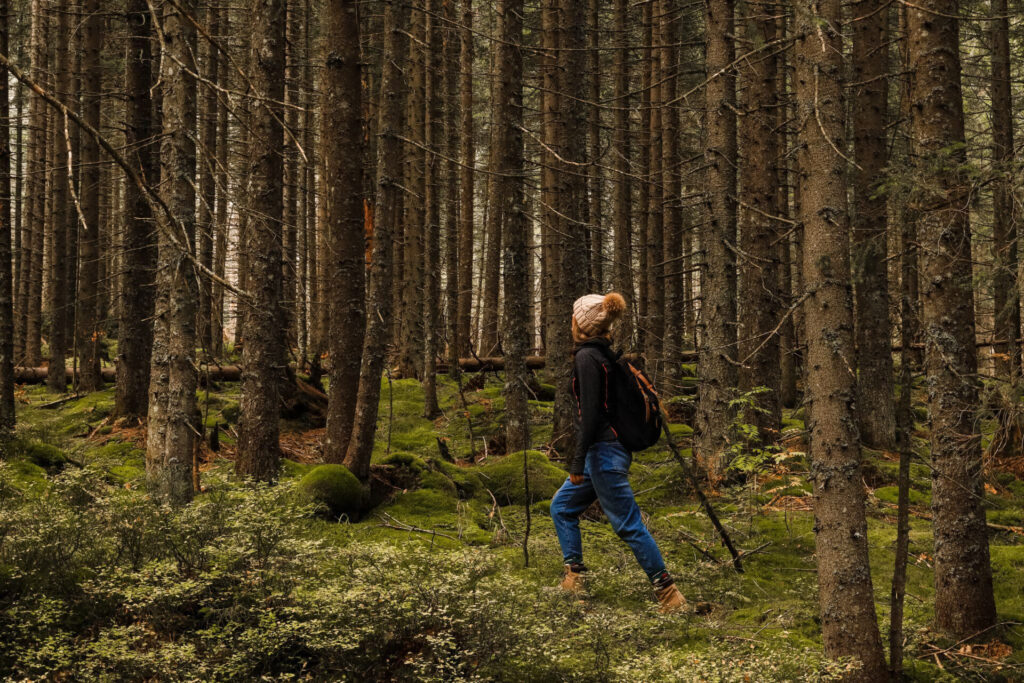
In Finland and Sweden, nature is not something people travel to. Rather, it is found just outside people’s front doors. Towns and cities are situated among forests, lakes, and open spaces. A short walk can lead to a trail, where city sounds fall away. Minutes more, and the man-made environment gives way to trees, water, and stillness.
Time outside becomes part of the rhythm of the day, not a planned activity. It shows up in small, repeated moments of walking paths, spending time in the forest, or weekends by the water.
There’s a psychological side to it, a sense of calm and reset that comes from regular time outdoors. There’s also a physical element tied to movement and fresh air.
Health care that’s easy to access and used early
In Finland and Sweden, access to care is not a separate challenge to figure out. Public health systems make it easier for people to see a doctor, address issues early, and stay on top of one’s health.
Strong social trust helps reinforce that structure. The result is less friction in maintaining health. Care is within reach, and people use it.
Getting care early, not just when something goes wrong
Health care appointments are straightforward to arrange and preventive care is part of the routine, and practical support for aging populations is built into the system.
Over time, that consistency influences how people maintain their health—more through daily habits that keep things on track rather than by fixing problems.
Diet matters—but it’s only part of the story
Diet is part of the story. In Finland and Sweden, eating patterns tend to center around whole foods—fish, grains, and vegetables. Portion sizes are moderate, and meals often follow regular routines more than strict rules.
But there is no single Nordic diet, and no strict pattern that explains longevity on its own. Eating habits vary across regions and households. Some align with what’s often described as “healthy eating.” Others don’t, at least not consistently.
In some areas, diets that look ideal on paper do not correspond with the longest lives. In others, people live just as long without closely following those patterns.
Nutrition plays a role in shaping longevity habits. But on its own, it doesn’t account for how daily life comes together through movement, relationships, environment, and care, all reinforcing each other over time.
What promotes longevity across these regions
Seen together, the elements begin to line up. Movement is part of the day, as is time outdoors. Social connection is ongoing—and easygoing. Health care, including preventive care, is within reach.
Look a little closer, and the pattern is simply a sequence of ordinary behaviors in harmony with the environment that repeat day after day.
What holds true across Finland and Sweden is not a specific habit, but a way of living that repeats itself over a person’s entire lifetime.
The resulting longevity pattern isn’t driven by planned routines or tracked goals. It grows out of everyday life. A walk happens because there’s somewhere to go. A conversation starts because people cross paths. Time outside comes naturally. Different parts of the day reinforce one another. And the natural outcome is that many people live longer, healthier lives.
One response to “Longevity in Finland & Sweden: Everyday Habits Behind Longer Lives”
-
Hi Carla and Patrick! Destyne here. Loved this article. I’m 1/2 Finn and had a Finnish grandmother who lived w the family. Seems we always had some aging relative living w us, which I thought was how it should be. In my own life I can attest to the health benefits of staying in touch with friends and family. Thanks for this inspiring article! So hey, how about brekky some day soon?


Leave a Reply