

You’re standing in the vitamin aisle of your favorite grocery store looking for magnesium. A friend recently reminded you that getting enough magnesium in your diet is important. Picking up a supplement should be simple enough, right?
Apparently not.
There’s magnesium glycinate, citrate, and oxide, in different doses and at very different prices. And there are a lot of brands to choose from.

Your friend told you she started taking magnesium and simply feels better. You’re curious, but skeptical. Before choosing a bottle, a more basic question occurs to you: Do I need a magnesium supplement at all?
It’s a good question. Magnesium is essential to our health, and many Americans don’t get the recommended amount from food. But that doesn’t necessarily mean taking more will make us healthier.
So what does magnesium actually do for us, how much do we need—and when does getting more provide a real benefit?
Why magnesium matters
Magnesium is a big deal when it comes to keeping your body working properly.
Your body needs this essential mineral for hundreds of processes that keep you functioning every day. It helps your muscles contract and relax and your nerves send signals. It plays a role in producing energy and making protein, building strong bones, and creating DNA. Magnesium also helps regulate blood pressure and blood sugar.
In other words, your friend was right: getting enough magnesium matters. But there’s an important distinction between getting enough magnesium and taking a magnesium supplement.
Both food and supplements can provide the magnesium your body needs. But food is generally the preferred source, while supplements can be useful when your diet doesn’t provide enough.
Which brings us to another question: Could you be getting enough magnesium from your diet alone?
Are you getting enough magnesium?
Adult men generally need 400 to 420 milligrams of magnesium a day, while adult women need 310 to 320 milligrams. Yet many Americans fall short. National dietary surveys have found that nearly half consume less magnesium from food than the estimated requirements.
That doesn’t mean nearly half of us are magnesium deficient. There’s an important difference between regularly getting less than the recommended amount and developing a true deficiency. Your kidneys help conserve magnesium when intake is low, so symptomatic deficiency caused by diet alone is uncommon in otherwise healthy people.
Some people are more susceptible to low magnesium levels, such as older adults and people with gastrointestinal diseases, type 2 diabetes, or alcohol dependence. Certain medications can also contribute to low magnesium.
Early symptoms of magnesium deficiency can include fatigue, weakness, nausea, and loss of appetite. More serious deficiency can cause muscle cramps, numbness or tingling, and abnormal heart rhythms.
Can a blood test tell you?
You might think a blood test could settle the question, but determining magnesium status isn’t that simple. A blood test can measure magnesium in the blood, and specialized tests can measure it within red blood cells. However, because most of the body’s magnesium is stored in bones and other tissues, no single blood test can provide a complete picture of your magnesium stores.
For most healthy people, examining what they regularly eat is therefore a simpler and more practical starting point.

How much magnesium is in the foods you eat?
The good news is that magnesium is found in a wide variety of everyday foods. Seeds, nuts, beans, whole grains, and leafy green vegetables are particularly good sources, but magnesium also shows up in dairy products, fish, meat, and fruit.
Here are some common sources, listed roughly from higher to lower amounts of magnesium:
- Pumpkin seeds
- Chia seeds
- Almonds
- Spinach
- Cashews
- Peanuts
- Black beans
- Edamame
- Peanut butter
- Potatoes with the skin
- Brown rice
- Plain yogurt
- Oatmeal
- Kidney beans
- Bananas
- Salmon
- Milk
- Halibut
- Raisins
- Whole-wheat bread
- Avocados
- Chicken
- Beef
- Broccoli
Of course, the amount you get depends on serving size and how the food is prepared. Magnesium isn’t confined to a handful of unusual “superfoods.” Eating a varied diet that regularly includes several magnesium-rich foods can go a long way toward meeting your daily needs.
But that brings us back to the question that started our search. If you’re already getting enough magnesium—or close to it—can taking additional magnesium actually provide additional health benefits?
What does the research say about magnesium supplementation?
The answer depends a lot on your health.
Blood pressure provides a good example. A 2025 analysis of 38 studies found that magnesium supplements modestly lowered blood pressure overall. But the benefits were considerably greater among people with high blood pressure or low magnesium levels. For people with normal blood pressure, the supplements made no significant difference.
What about two of magnesium’s most talked-about benefits—better sleep and reduced anxiety? Here the evidence becomes less convincing. Some studies suggest magnesium may improve sleep and reduce anxiety, but the evidence remains limited and inconsistent.
A third much-discussed aspect of magnesium has to do with nerve and muscle control. Our modern diets are rich in calcium, which can overstimulate the nervous system and trigger involuntary muscle contractions or the discomfort known as restless leg syndrome (RLS). Magnesium—calcium’s counterpart—blocks excess calcium from over-activating your nerves. Along with vitamins B6, C, and E, magnesium supplementation has been shown to have a calming effect on RLS.
What this means for you
So, what can we take away from all this? Magnesium supplements may help some people, particularly those who are low in magnesium or have certain health conditions. But if you’re already getting enough magnesium, there’s little evidence that simply taking more will improve your health.
You don’t need to keep track of your daily magnesium intake. What matters more is what you typically eat over time. If your diet frequently includes several magnesium-rich foods like those listed above, you may already be getting much of what you need. If those foods rarely make it onto your plate, a supplement may be a practical way to help fill the gap.
Supplements may also be recommended for people who have a diagnosed deficiency or certain health conditions that interfere with magnesium absorption.
Which brings us back to those bottles in the vitamin aisle. If you do decide to supplement, does it matter which kind you choose?
Choosing a magnesium supplement
Those magnesium bottles aren’t all the same. In supplements, magnesium is typically combined with another substance to help with absorption, which is why you see names such as magnesium glycinate, citrate, and oxide.
The differences aren’t just on the label. Some forms are more easily absorbed than others. Magnesium citrate, for example, is generally well absorbed, while magnesium oxide tends to be absorbed less efficiently and is more likely to have a laxative effect. Magnesium glycinate is also widely used and is often chosen because it tends to be easier on the digestive system.
Dose matters, too. Your body generally absorbs a smaller percentage of magnesium as the amount taken at one time increases. So, taking a large dose isn’t necessarily the most efficient way to get more magnesium.
Is there one best form of magnesium? Not really. The right choice can depend on why you’re taking it, how well you tolerate it, and how much magnesium you actually need. Claims that particular forms provide dramatically different health benefits may not be supported by research.
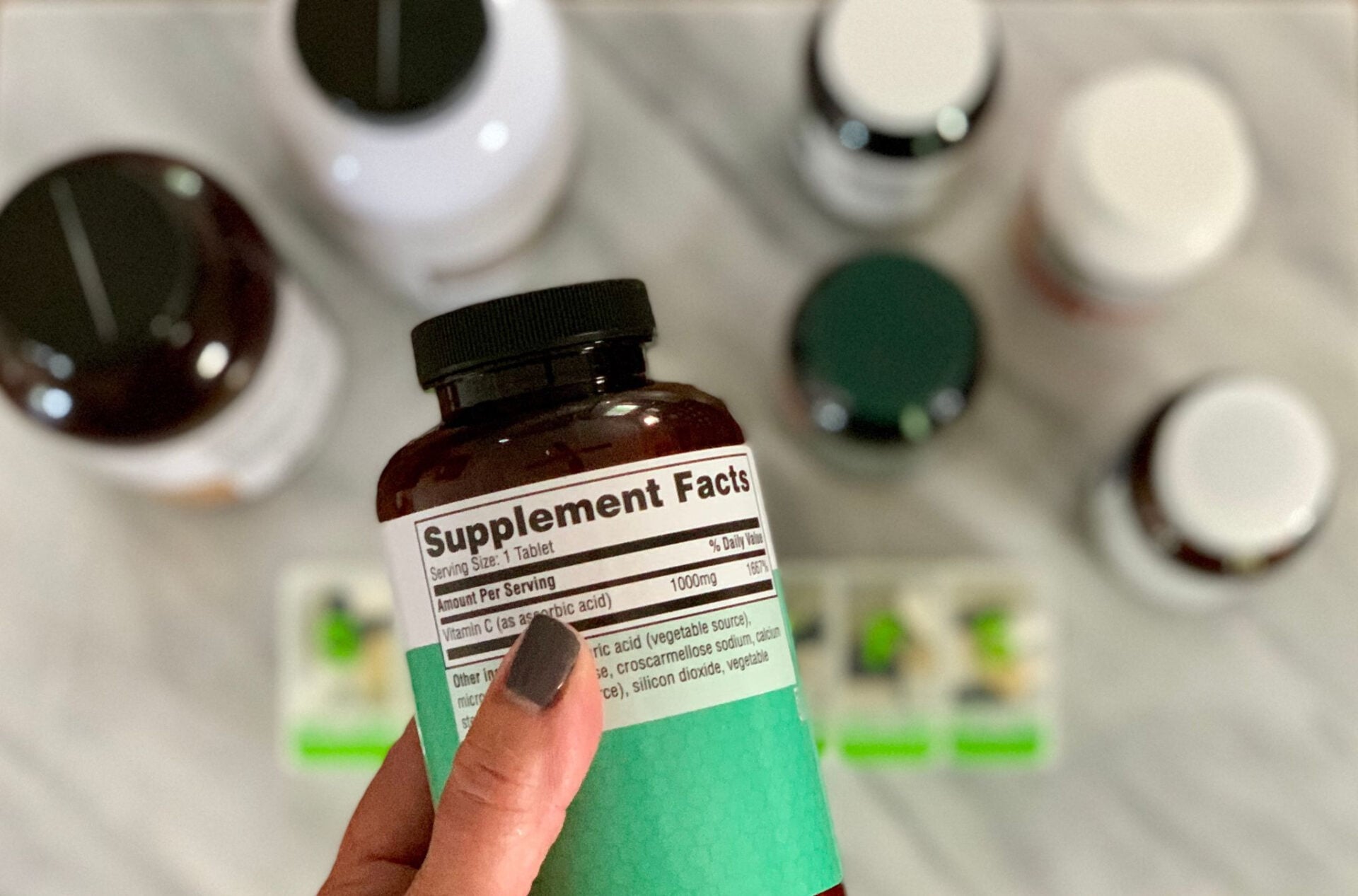
Fortunately, you don’t have to become a magnesium expert to make a reasonable supplement choice. Reading the label goes a long way. Whatever form of magnesium you choose, pay attention to one number: the amount of elemental magnesium. That’s the amount of actual magnesium the supplement provides—and the number that counts toward your daily intake.
One caution: more isn’t necessarily better. For adults, the recommended upper limit for magnesium from supplements and medications is 350 mg a day, mainly because higher amounts can cause digestive problems such as diarrhea and abdominal cramping. This limit doesn’t include magnesium from food.
Also, people taking medications or with kidney problems should check with their healthcare provider before supplementing.
So, do you need a magnesium supplement?
Back to the vitamin aisle. You now have a much better idea of what to look for, as well as whether you need to buy a supplement at all.
Magnesium deserves its reputation as an essential nutrient. But getting enough magnesium and taking more magnesium aren’t the same thing. Start by taking a look at the foods you eat. Then consider a supplement if you need help filling the gap, and remember that more isn’t necessarily better.
That should make choosing what to put in your shopping cart a whole lot easier.
3 responses to “Magnesium Benefits: Everything You Need to Know”
-
Thank you Patrick, nice read, some great information. I hope you’re doing well.
Love,
Your Sister MJ -
Thank you! This article offered answers to my many questions about magnesium supplements.
Destyne Sweeney
-
Important health article. Well worth reading!


Leave a Reply