

Inside the small rural Nigerian clinic, the power had failed again. Monitors had gone silent, and the air was thick with tension as the midwife reached for her flashlight. The mother on the cot was already pushing, her face half-lit by the unsteady beam. Around them, familiar darkness pressed close, unwelcome, but expected. Danger soon followed.
In such moments, maternal health and newborn life both hang in the balance—and light itself can be the difference between a safe delivery and a devastating loss.
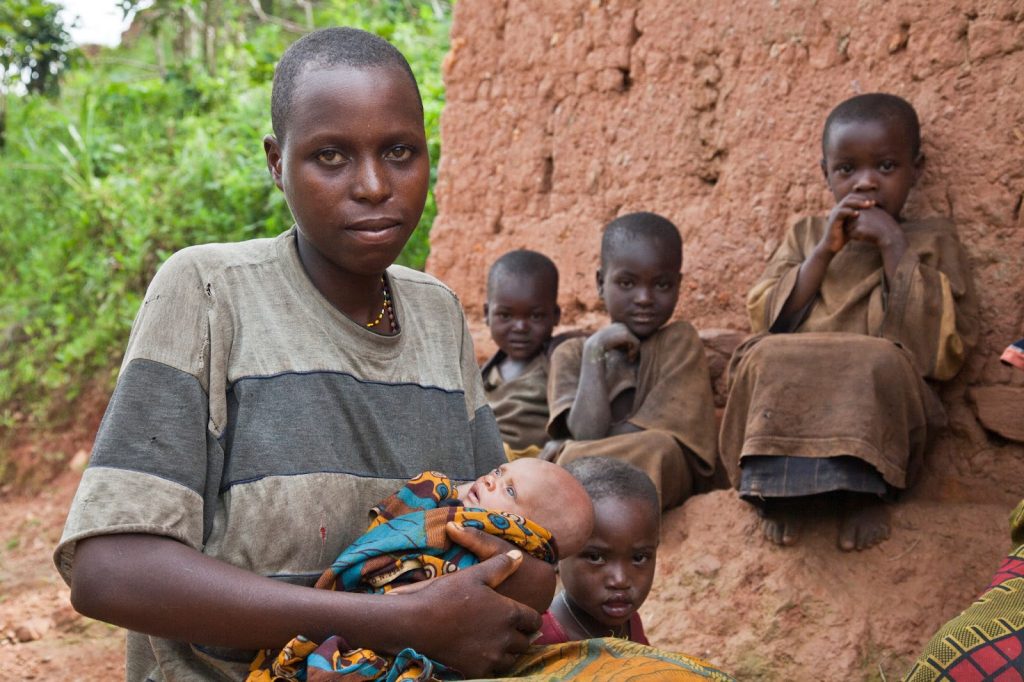
Across much of sub-Saharan Africa and South Asia, scenes like this unfold every night. For clinics without reliable electricity, childbirth is never routine. When the lights go out, so can the machines that warm newborns, sterilize tools, and monitor a mother’s pulse.
Dr. Laura Stachel, an obstetrician from California, witnessed this reality during a visit to a Nigerian hospital in 2008. She watched surgeons work by flashlight, their movements careful but uncertain.
“How can this still be happening?” she asked herself that night, unable to sleep. What she saw was not a failure of medicine. It was a failure of infrastructure that stripped away safety, dignity, and hope from the very start of life.
That realization would change the course of her work and bring light to thousands of maternity wards around the world.
How a solar revolution in maternal health began
Back home in California, Dr. Stachel couldn’t shake the memory of those darkened delivery rooms. She told her husband, solar energy educator Hal Aronson, about doctors performing surgeries by the glow of cell phones and kerosene lamps. He asked a simple question: “What if light could travel where the grid can’t?”
That question set in motion a partnership and a movement. They began building a small, rugged solar power system that could fit inside a suitcase, power essential medical tools, and be carried anywhere. It had to be durable, affordable, and simple enough for local health workers to use.
The prototype took shape in their Berkeley garage: a bright yellow case with small solar modules, batteries, LED lights, phone chargers, and a fetal heart monitor. When the first Solar Suitcase reached a Nigerian clinic, nurses gathered around it with awe. Once they learned its setup, they could deliver babies safely through the night.
Dr. Stachel later described this simple solution as “pure joy and disbelief.” From one act of compassion, a global idea was born that transformed maternal health.
How the Solar Suitcase works
Each Solar Suitcase includes compact solar modules, rechargeable batteries, and high-efficiency LED lights. The system can power a fetal heart monitor, charge phones and headlamps, and power essential medical tools, all without being plugged into a wall socket or connected to a generator.
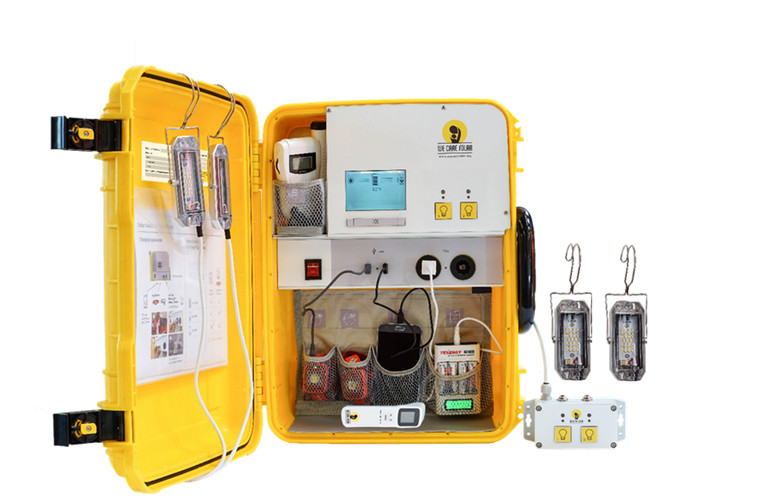
The design is light enough to carry down rough roads, durable enough to survive humidity, heat, and dust, and simple enough for a nurse or midwife to operate with minimal training. Once deployed, it begins storing solar energy immediately. Its battery bank is large enough to provide steady light through the night.
Today, more than 8,000 health facilities across 30-plus countries are equipped with Solar Suitcases. In clinics where darkness once meant crisis or loss of life, light now means readiness. “I can’t imagine working without the We Care Solar Suitcase now that I have experienced its benefits,” said Ugandan midwife Rosette Uwayezu.
Light’s saving grace
Light does more than brighten a room. In a delivery ward, it restores confidence, calm, and safety. With clear light, a midwife can act quickly when a mother bleeds or when a baby needs resuscitation. With electricity, instruments stay sterile.
Researchers have found that clinics with reliable lighting see significant drops in maternal and newborn mortality. Infection rates go down, and emergency referrals happen faster.
Saving Mothers, Giving Life, a peer-reviewed evaluation in Uganda and Zambia, found large declines in maternal mortality rates (MMR) after facility-readiness improvement, including reliable power and lighting as part of the package. Specifically, there was a 35% drop in facility MMR in both countries and a 30% population-level MMR drop in Uganda in year one.
Just as important, women trust clinics again. They come earlier in their pregnancies, knowing care will be there when it’s needed most.
For the nurses and midwives who serve on these front lines, light has become a form of healing in itself. It restores not only vision but dignity to the birth process, to mothers, and to the people helping to bring new life into the world.
How a solar-powered maternal health innovation grew
In 2010, Stachel and Aronson founded We Care Solar, a nonprofit organization dedicated to bringing clean, reliable electricity to off-grid health facilities. From a single suitcase in Nigeria, their idea spread across continents.
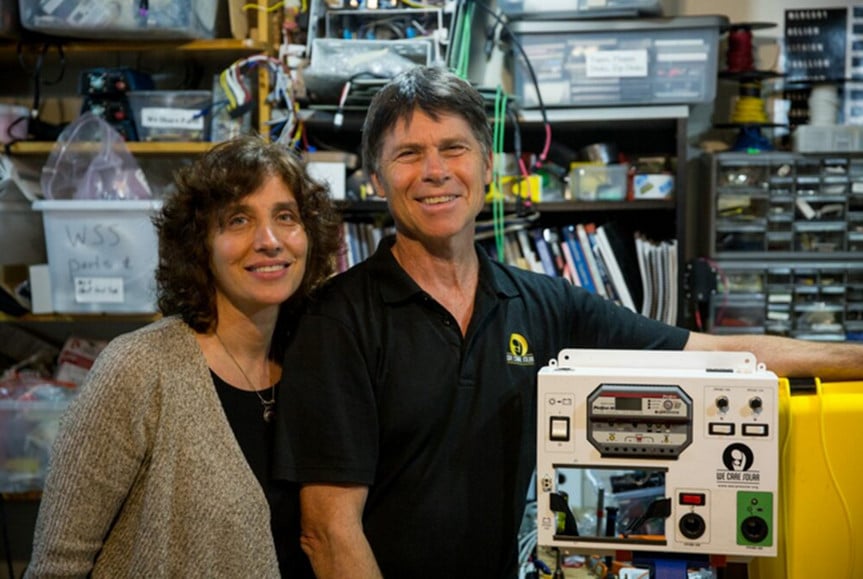
Partnerships soon followed with the United Nations Children’s Fund (UNICEF), the World Health Organization, and ministries of health throughout Africa and Asia. Each partnership carried the same mission: to make sure that no woman dies giving life because the lights went out.
We Care Solar’s success rests on its simplicity. The Solar Suitcase is modular, affordable, and easy to maintain. Local technicians—many of them women—are trained to assemble, install, and repair the systems. In Sierra Leone, for instance, the Barefoot Women program helps rural women become solar engineers. These women learn how to bring off-grid power and light not only to clinics but to their communities as well.
Other solar initiatives improving maternal health globally
As We Care Solar’s yellow suitcases continued to spread across continents, they also inspired others to better understand the critical nature of electricity as a cornerstone of public health. From Africa to Asia to Latin America, new initiatives followed the same guiding idea: safe births start with reliable power.
Here are some examples of these initiatives:
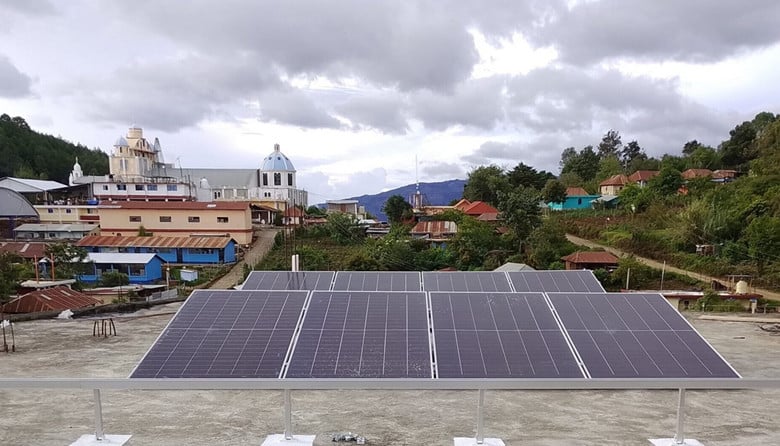
- Impact Global Health Alliance (IGHA): In partnership with Curamericas Guatemala, IGHA supports community-built birthing centers for women in Guatemala’s Western Highlands. Solar microgrids now power deliveries day and night.
- Clinton Health Access Initiative (CHAI): Backed by Sweden’s development agency, the goal of CHAI’s new solar program is to electrify thousands of clinics and hospitals across South Africa, Eswatini, Kenya, and Malawi for life-saving maternal and newborn care.
- Selco Foundation: This India-based nonprofit powers maternal labor rooms and rural health centers through solar energy systems in Karnataka, Odisha, and other Indian states. SELCO’s work links clean energy with better childbirth outcomes, education, and livelihoods.
Beyond electricity: reshaping communities
Reliable light and power changes far more than clinical outcomes. It reshapes how communities see women, health, and the future itself. When clinics are bright and safe, more women choose skilled birth attendants instead of home deliveries. Complications are caught earlier. Midwives gain confidence, and mothers gain trust.
The ripple effects extend well beyond childbirth. In some regions, women who trained as solar technicians through We Care Solar have become local leaders and educators who pass on solar literacy and income-earning skills to others in their communities. In this way, a tool designed to save lives also becomes a pathway to independence.
Light is hope made visible
Dr. Stachel often says that light is hope made visible. Each maternal health clinic illuminated by solar power carries that hope forward.
In an age preoccupied with grand technologies, the Solar Suitcase reminds us that progress can sometimes be found softly humming in the corner of a delivery room, casting a steady glow over a mother and child as life begins again, bathed in light.
2 responses to “Bringing Light to Off-grid Maternal Health Clinics”
-
What a great article about a wonderful topic – saving lives with light!
You are doing a great job sleuthing out the topics and issues that make up the growing list of excellent articles. Kudos to everyone who is part of the Golden Age Now! -
So many precious lives have ultimately been saved and others transformed through the deep care, vision and actions of one loving doctor. Very inspiring story Patrick!


Leave a Reply