

For more than five decades, Mary Ellen Maunz, who holds an M.Ed. in integrative education, has devoted her life to understanding how children learn and how adults can better support that learning adventure.
A Montessori educator, teacher trainer, and international speaker, she has worked in classrooms and training programs across six continents. In addition to her work with children, Maunz has helped shape generations of teachers.
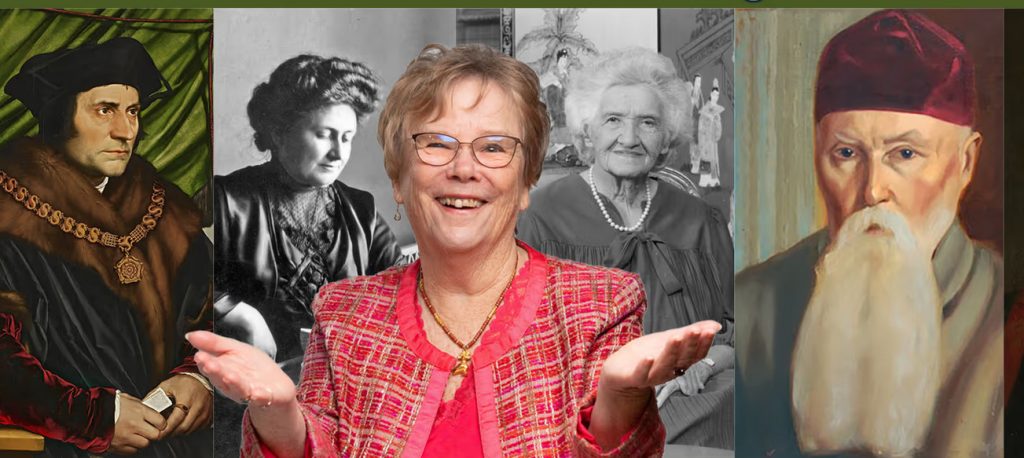
She is the founder of Free to Be Learning and previously worked as Program Director at what is now the Institute for Montessori Training, where she developed programs grounded in respect for the child and developmental understanding.
She has served on the board of the Montessori Accreditation Council for Teacher Education and has authored multiple books on learning, childhood development, and human potential. In this conversation, she reflects on the experiences, observations, and guiding principles that have shaped her fifty-plus years in education.
A passion for education
Interviewer:
What is your passion regarding education, Mary Ellen?
Mary Ellen Maunz:
The key to my whole life in education has been the desire to serve.
I began as a political science major, but realized it wasn’t leading me where I wanted to go. I left school for a while, moved to Canada, and spent three years figuring things out. A friend eventually introduced me to Montessori. I had never heard of it, so I went to a bookstore and picked up [Maria Montessori’s] The Absorbent Mind.
One sentence changed everything: “The child is endowed with unknown powers which can guide us to a radiant future. If what we really want is a new world, education must develop those hidden possibilities.”
I knew immediately this was a completely different view of education.
I received my Montessori teaching diploma in 1971 and began teaching preschool. Later, I went to remote Italy for elementary training, where Montessori described what she called the “cosmic plan”—the idea that all life has roles that interconnect. I loved that vision of life.
Eventually, my work expanded from educating children to educating teachers. That happened when I met Elizabeth Caspari, a close associate of Maria Montessori, who trained me as a teacher trainer. That set the course of my life.
People often call Montessori a method. I see it as a message—respect for the child and understanding developmental needs at each stage. Traditional education often assumes information must be poured in. Rather, it is released from within.
Montessori creates an environment where children choose meaningful work and express who they are within constructive limits.
I was bored most of my own schooling, except for two teachers. But Montessori classrooms were never boring. Children always had purposeful work, individually or in small groups.
At its core, Montessori begins with understanding development and preparing an environment that allows potential to emerge.
The four avenues of learning
Montessori education rests on four main avenues in early childhood.
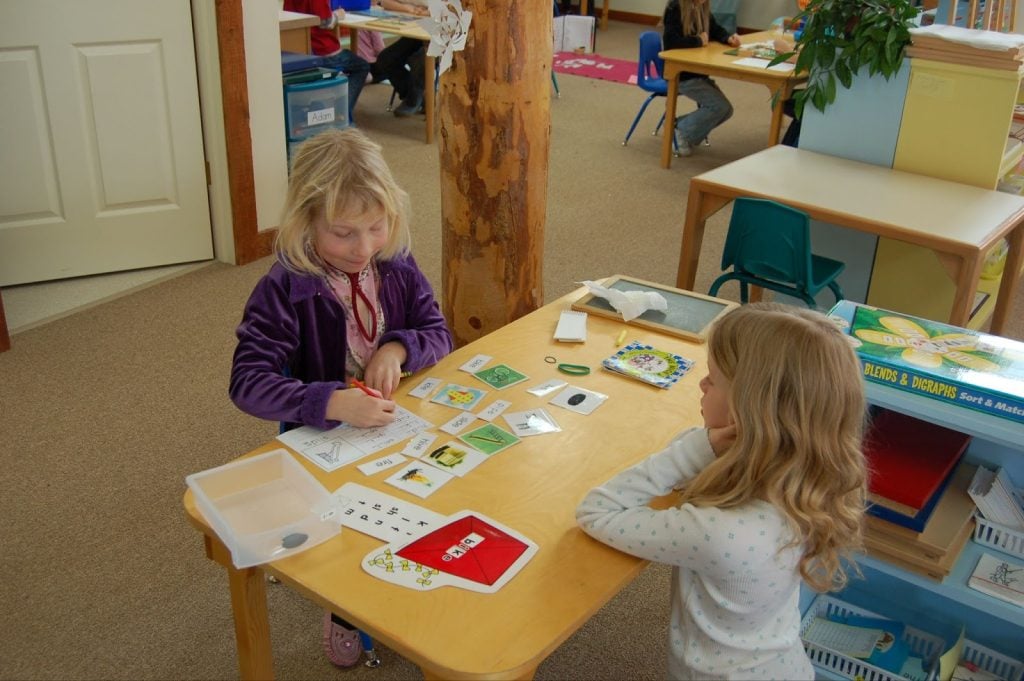
First: practical life
These are everyday activities—tying shoes, washing hands, sweeping spills, pouring juice, saying please and thank you. Caspari called them “the humble tasks of daily living.” They make school real to the child.
Second: sensorial development
Anything in the mind first passes through the senses. Children handle materials, feel weights, compare lengths, distinguish sounds, textures, smells, and tastes. These experiences later connect to language and concepts like geography and biology.
Third: language
It begins simply—learning names, speaking clearly, communicating with others. Then children learn sounds before letter names. When they understand [that] sounds map to letters, they naturally build words and read.
Years ago, I helped start the Early Reading Company to train teachers in this phonetic awareness approach. Today, the “science of reading” movement is rediscovering how essential this foundation is.
Fourth: mathematics
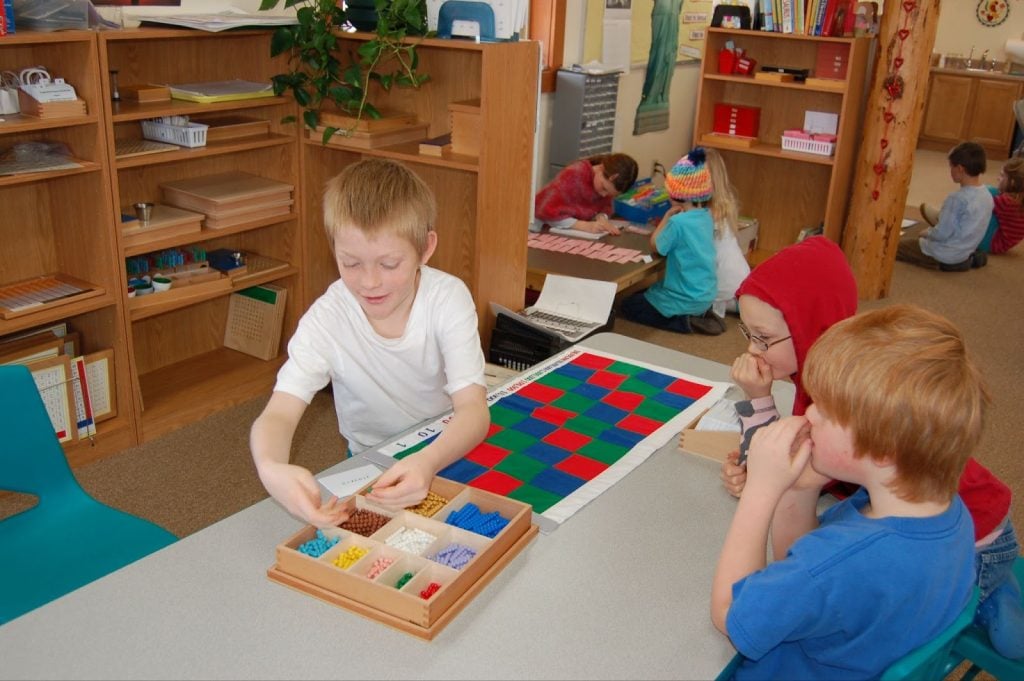
Math begins concretely. Three plus four means physically counting objects—not memorizing symbols. The child proves the answer through experience.
This builds confidence. The child doesn’t just accept that seven exists—they know it.
An old Wall Street Journal article called successful Montessori alumni the “Montessori Mafia,” including Jeff Bezos and the founders of Google. When interviewed, they said Montessori taught them to think independently and confidently because everything was accessible and manipulable when they were young.
Maunz’s guiding lights
Interviewer:
What have been your guiding lights over your fifty years in education?
Maunz:
The children themselves.
When I observe them joyfully and deeply focused, that confirms everything. I’ve also reread Montessori’s writings constantly and learned from colleagues around the world.

Montessori was nominated three times for the Nobel Peace Prize, not because she ran pleasant schools, but because she understood the child is the potential of humanity. Properly nurtured children become happier individuals and contributors to society.
I’ve trained teachers on every continent and seen the same result: children work together peacefully when engaged in meaningful activity. That has been the guiding light of my life.
Moments that tested belief
Interviewer:
Can you share a moment when those guiding lights were challenged?
Maunz:
Early in my teaching, I had a child who ran through the classroom making engine noises, hitting children, knocking things down. I went home crying because reality didn’t match what I had studied about Montessori normalization—the calming effect of purposeful work.
Then I had an idea. He loved cars. I asked my boyfriend for a metal hubcap and presented it as a metal polishing activity.
He polished that hubcap every day for three weeks.
Gradually he calmed, began accepting lessons, and participated. Not perfect behavior—but transformed. My shaken belief was restored: the right material at the right moment reaches the child.
Another experience: a girl entered my Chicago school and said, “Teach me to read today.” We began with sounds and letters. Within a week, she was reading.
I also trained teachers at an orphanage in South Africa that grew from eight AIDS orphans to over two hundred children. They were joyful, peaceful, and eager to learn in a loving Montessori environment. That confirmed everything again—every child is teachable.
Some children walk steadily along the learning path. Others run. I once taught a six-year-old math prodigy attending physics classes at Johns Hopkins after school. Montessori allowed him to advance in math while remaining a normal child in other subjects.
What children need today
Interviewer:
How can we best serve children and parents?
Maunz:
First, adults must understand normal development. Many parents don’t know what behaviors are natural or how to nurture them.
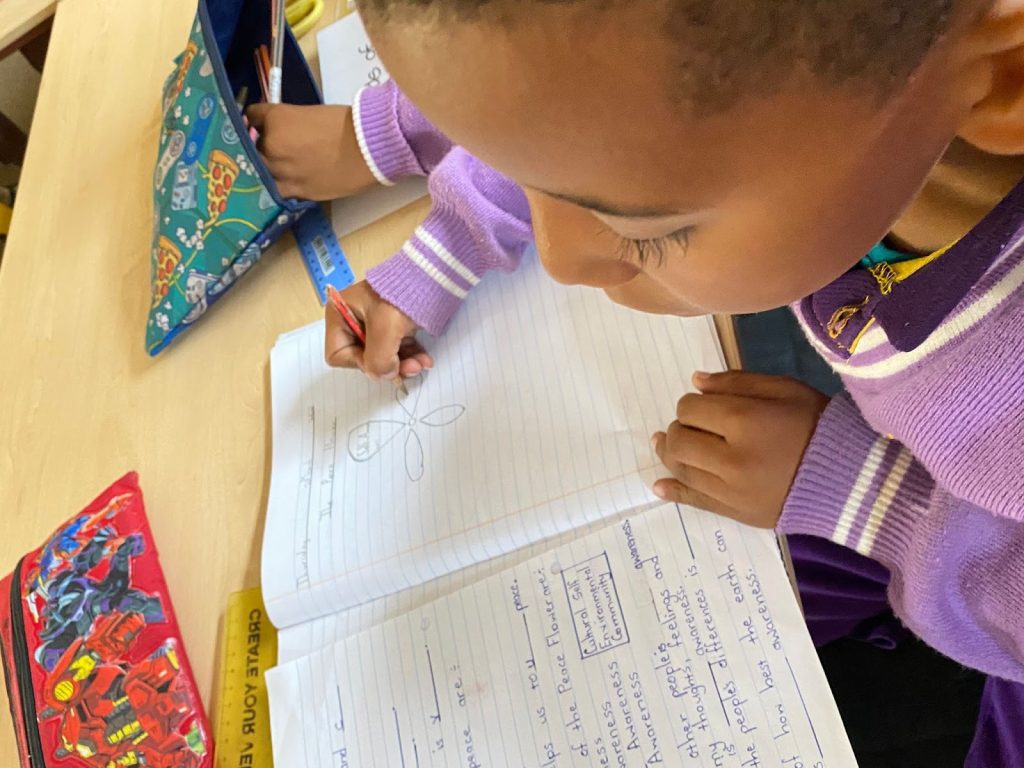
Children still reach developmental milestones at roughly the same ages they did a century ago. But screens and constant entertainment make concentration harder at first. In Montessori classrooms, the first weeks often resemble withdrawal—then children rediscover focused work.
We also see more developmental challenges today, which place enormous strain on families. That makes supportive environments even more important.
Releasing the genius of the child from within
Interviewer:
What quality does modern education undervalue most?
Maunz:
The ability to think clearly and concentrate.
Children can now Google answers instantly, but they don’t reason through problems. Montessori elementary classrooms emphasize research: students choose topics, investigate, and present findings. They collectively produce knowledge equivalent to a textbook, but through curiosity and ownership.
An Irish poet wrote that education is not pouring in but releasing from within. That captures Montessori.
We don’t test constantly because understanding shows itself through conversation and work. The system rests on respect for the child. When respect exists, joy follows.
I raised three children without pushing them academically. They became an artist, a chef, and a writer—creative and fulfilled in their own ways.
Final reflections
Interviewer:
Any final thoughts?
Maunz:
Montessori wrote that many social problems arise from individuals failing to adapt morally and socially, and that caring for childhood must become a central concern of civilization.
Across history—from Thomas More to Lao Tzu to Sir Ken Robinson—great thinkers recognized that the energy of childhood should be released, not controlled.
If we want a peaceful future, we must raise children prepared to live and lead. That is our responsibility.
9 responses to “Profiled: Mary Ellen Maunz, Montessori Pioneer”
-
Loved this article. I have known Mary Ellen as a friend for over 50 years. Thank you so much for writing about such an important topic – the treasure of our chidren.
-
Thanks so much, Marcia. It was fun getting to know more about Mary Ellen’s adventurous life, of which I’d known very little.
-
-
This is outstanding, just what our world needs NOW. The news recently shared 21% of U.S. adults read below 5th grade level & more & more graduating college (Gen Z) aren’t prepared. Montessori to the rescue, please!
-
Yes, what our world needs now… in abundance. Cheers, Pamela! Patrick
-
-
Her life and work are so inspiring! I have taken some of her courses and love what is offered. I have audited others. They are so very worthwhile!
I also feel inspired by the work Constance Ortz is doing in Florida with her Charter schools. She now has the opportunity to influence all schools in the nation as her schools present themselves as models for the nation’s undergraduate schools at the invitation of the national administration.
I would LOVE to hear more about her and her schools as well! https://www.odysseyschools.com/
Such amazing educators!
Thanks for the great articles and informative classes.
-
Thanks, Patricia! Mary Ellen is quite special, for sure. Cheers! Patrick
-
-
Wonderful article. Thank you for sharing. I have known Mary Ellen for many years and follow all the information about Montessori. Our daughter, Julie is a Montessori teacher in San Francisco. She was trained in Colorado. I was a preschool teacher in Tucson for many years but I was not trained in Montessori. Julie’s two sons went to Montessori schools in Colorado before
they moved to California. I was able to observe her classroom and the children….such an amazing program. I am sorry that I did not know about Montessori when our children were young. Thanks for sharing Mary Ellen
with all of us.-
Thanks for the wonderful comments, Ellen. Patrick
-
-
This is a great overview of the Montesorri teaching approach. Every parent should be aware of this option for their children. And, hopefully, have that option available.


Leave a Reply