

The sober curious movement did not begin as a campaign against alcohol, nor even as a movement. It emerged as an under-the-radar change in everyday behavior. More people are taking a step back and rethinking why drinking automatically sits at the center of social life.
However, instead of deciding never to drink again, they are experimenting—skipping drinking on weeknights, trying a completely dry month, or just being very selective about when to drink.
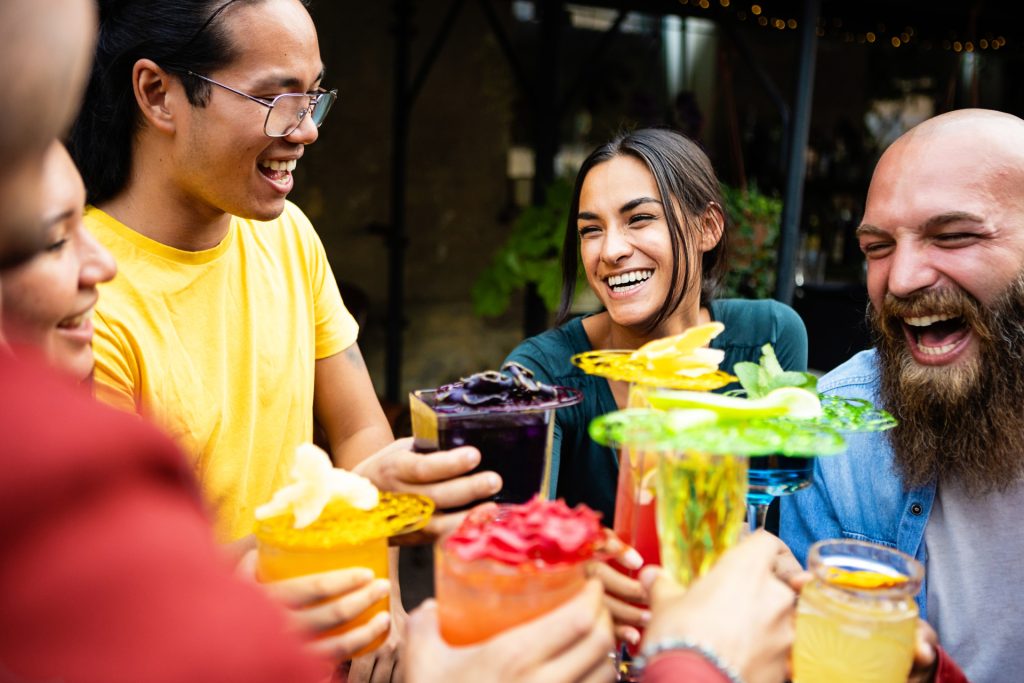
This approach fits a broader shift in the drinking culture, especially among younger generations.
Trends such as paying closer attention to sleep, energy, how they feel day to day, clearer work boundaries, and personal autonomy have made routine habits feel negotiable. For many, mindful drinking simply means noticing the effects and deciding intentionally to consume alcohol or not, rather than by some default social custom.
The result is not a single lifestyle but a spectrum of choices. Some people drink less. Some take breaks. Others keep alcohol for specific occasions only. In this article, we will look at why people try some measure of sobriety, what tends to change in daily life, and how social expectations around alcohol may be gradually evolving.
What does sober curious actually mean?
The phrase sober curious usually describes a personal experiment rather than a permanent decision. Someone tests for a while how life feels when alcohol plays a smaller role, or no role at all.
That makes it different from prohibition, which is a rule imposed from outside, and different from lifelong abstinence, which is a settled identity. Sober curious is closer to running a lifestyle experiment: What changes if I skip drinking for a month? For weekends? For social events?
Many people discover they are not trying to quit alcohol forever. They are trying to understand it better—when they want it, why they want it, and whether it really improves their life experiences the way they thought it did.
Sober curious vs. sobriety
The term sobriety refers to a defined state of being. It points to a lasting commitment: a sober lifestyle, life without alcohol, or recovery maintenance. It carries a certain identity. A person is sober.
Sober curious, on the other hand, describes behavior rather than identity. A person might drink at a wedding but skip drinking for weeks or months at a time, or just for a few days. They might stop for three months and later resume occasionally. The goal is awareness.
The difference is less about quantity and more about mindset.
Why labels matter less than habits
Because the sober curious approach is flexible, people focus more on drinking habits than on declaring membership in a category. Instead of asking “Do I drink?” they ask “When do I actually want to drink?”
That shift gives people permission to reduce drinking without making a dramatic announcement. They might drink less at home, skip weeknights, or replace certain occasions. The control stays personal and adjustable.
Over time, the label becomes less important than the pattern. The experiment works because it can change whenever the person does.
Social media and transparent outcomes
Thanks to social media, people can now see other people’s daily routines in great detail. Morning workouts, late-night fatigue, skin changes, mood swings, and productivity patterns appear constantly in shared posts and videos.
That visibility creates a constant informal, unintentional comparison. People see peers exercising early, working creatively, or socializing comfortably without alcohol. The sober lifestyle is no longer abstract.
Instead of warnings on bottle labels and in ads and brochures, people see real-life examples of those who kicked the alcohol habit. This can have a profound impact on personal decision-making.
Why Gen Z and Millennials are drinking less
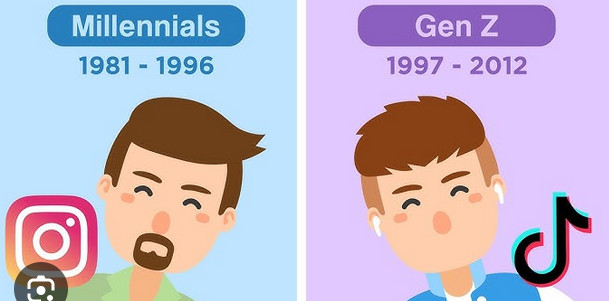
Surveys consistently show Gen Z drinking less than previous generations. Millennials are not far behind. The shift is not driven by a single cause. It reflects a wider change in the drinking culture, where habits that were once seen as the norm are no longer so.
Health awareness plays a role in this shift, but so does daily performance. More and more people are noticing how alcohol affects their sleep, mental focus, and next-day energy, and then adjust accordingly.
The question is less, “Is alcohol allowed?” and more like, “Is it worth it tonight?” That mindset fits a broader pattern of mindful consumption across food, media, and work routines.
Autonomy matters as well. Younger adults tend to define identity through personal choice rather than group expectations.
For much of the twentieth century, drinking symbolized independence. Having a beer or cocktail signaled adulthood and participation in social life, so refusing a drink could feel socially awkward or unacceptable.
That meaning has weakened. Less peer pressure means that taking a break from alcohol, whether for a night or a lifetime, carries a much smaller social cost.
Many people now weigh the benefits of not drinking against the short-term pleasure. If tomorrow’s clear head matters more than tonight’s buzz, they simply stop drinking for the evening. The decision feels practical rather than moral.
What happens when people take a break from alcohol
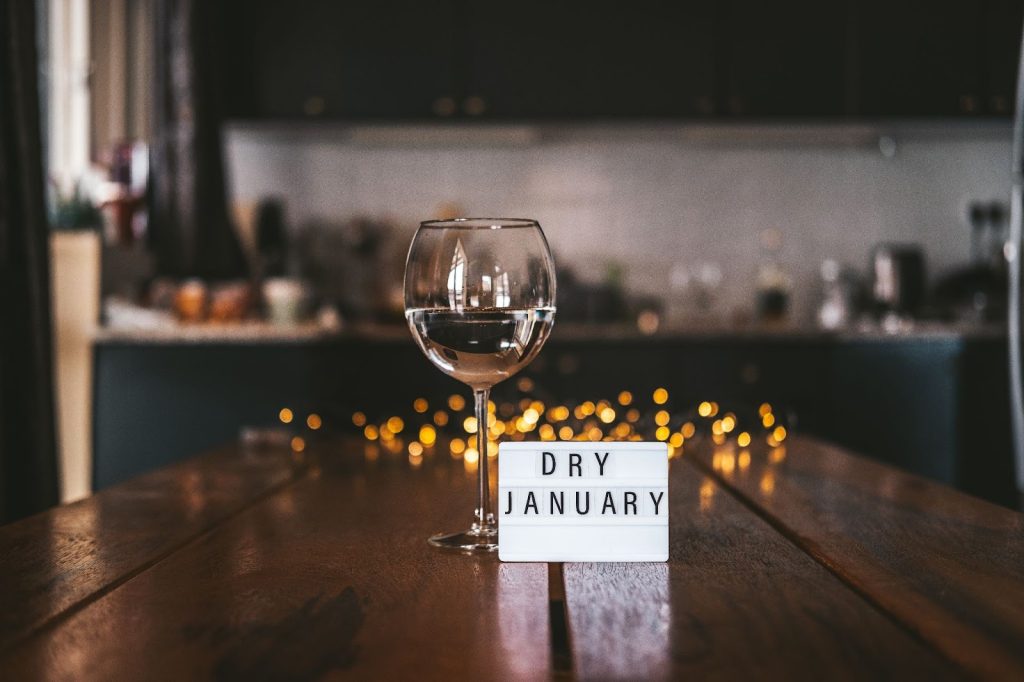
Many begin their experimentation by deciding to take a break from alcohol for a certain period. It might be a month like Dry January or just a few weeks to observe the difference. The goal is simply to find out what changes in everyday life when making these kinds of temporary commitments.
The experiences reported to friends and followers tend to be subtle rather than dramatic. People do not describe becoming different personalities. They notice small shifts that build momentum—and many like the results they are experiencing.
Sleep, mood, and mental clarity
Sleep is often the first difference people mention. Yes, alcohol can make falling asleep easier, but it disrupts deeper sleep cycles. Without it, nights feel steadier and mornings less thick-headed.
Conversations about the effects of alcohol on sleep often center on waking earlier and with fewer groggy starts. Instead of sharp highs and lows, sober curious people report steadier afternoons and fewer sluggish evenings.
However, that’s not all. Mood improvements follow. There’s more emotional stability, and many describe clearer thinking during routine tasks. Living a life without alcohol, even temporarily, can make decision-making feel simpler. People report finishing tasks more easily, sticking to their plans, or even just having longer conversations.
It’s true that this does not usually feel like a big transformation. Rather, removing alcohol for a period, such as seven days, lets people compare two weeks side by side and decide which version they like better.
The social experience without drinking
One of the strongest hesitations around reducing alcohol intake is the fear that social life will shrink. For decades, much of the drinking culture treated alcohol as the activity itself rather than the backdrop to it.
In practice, people experimenting with sober socializing usually find that the structure of the evening stays the same. Friends still meet, meals still happen, music still plays. But without alcohol filling the pauses and influencing the mood, talking itself becomes central.
For some, there’s some initial discomfort when they try a life without alcohol in social settings. A drink usually marks the beginning of feeling more at ease. Removing that crutch requires some adjustment.
But over time, people adjust to the lack of alcoholic stimulation. They gain a new confidence as they realize that having a good time depends less on drinking and more on engaging in fun and meaningful interactions.
The rise of alcohol alternatives
As more people experiment with drinking less, the marketplace has responded quickly. Store shelves and restaurant menus now include a growing range of non alcoholic drinks.
Bars increasingly list mocktails alongside cocktails, and grocery aisles carry alcohol free versions of familiar options. Some products go beyond that baseline and morph into flavors and textures meant to be enjoyed for what they are, not just to replace alcohol.
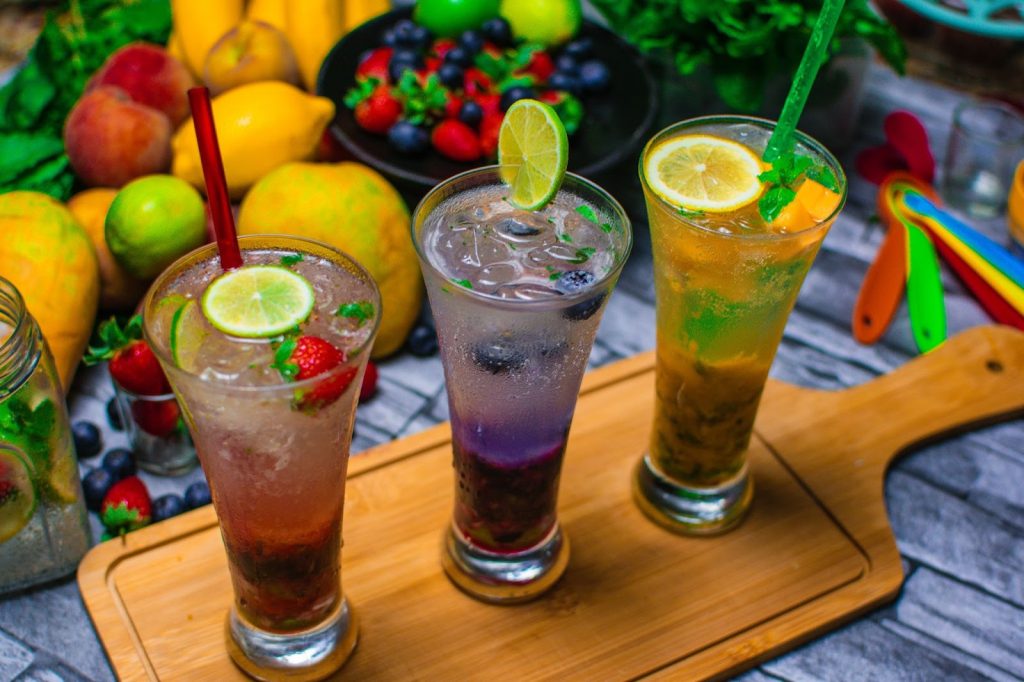
People are not necessarily searching for identical alcohol-free replicas. They want a drink that fits the social setting—something to hold, sip, and share—without the aftereffects.
Moderation vs abstinence: the middle path
Most people experimenting with sober curious rarely end up adopting a lifestyle of permanent abstinence, but they also do not return to automatic habits. Instead, they settle into selective drinking—certain occasions, certain quantities, certain days.
Older conversations framed alcohol as binary: you either drank normally or you quit. The sober curious approach softens that boundary. A person might drink on vacation but not at home, or share a toast but skip the second round.
The goal is to drink less, rather than never drink.
Personal rules instead of public rules
Instead of universal guidelines, people develop their own rules and limits, such as:
- No weeknights
- No drinking alone
- One drink maximum
- Only with meals
- Only on special occasions
Since these boundaries are self-selected, many experimenters find comfort in knowing these rules can be adjusted as needed, without social pressure to go beyond their own limits.
Why the sober curious trend is likely to persist
The sober curious movement looks like more than a fad; it seems stable or even growing. It’s not hard to see why this is so.
People can judge for themselves whether the everyday results of their experimentation are worth it. Non-alcoholic drinking alternatives have become widely available. And then there’s the increasing social acceptance of not drinking. Each of these factors makes the next experiment in taking a break from alcohol easier.
Plus, as expectations change at parties and restaurants, alcohol-free lifestyle choices have become much more normal. Hosts now automatically provide non-alcoholic alternatives, and guests can choose what they want without having to explain themselves. The decision point has shifted from opting out of drinking to opting in.
In short, sober curious people are not organizing against alcohol. They are reorganizing around a lifestyle choice. They keep the social gatherings—but quietly change what goes in the glass.

Leave a Reply